
Last updated November 21, 2026
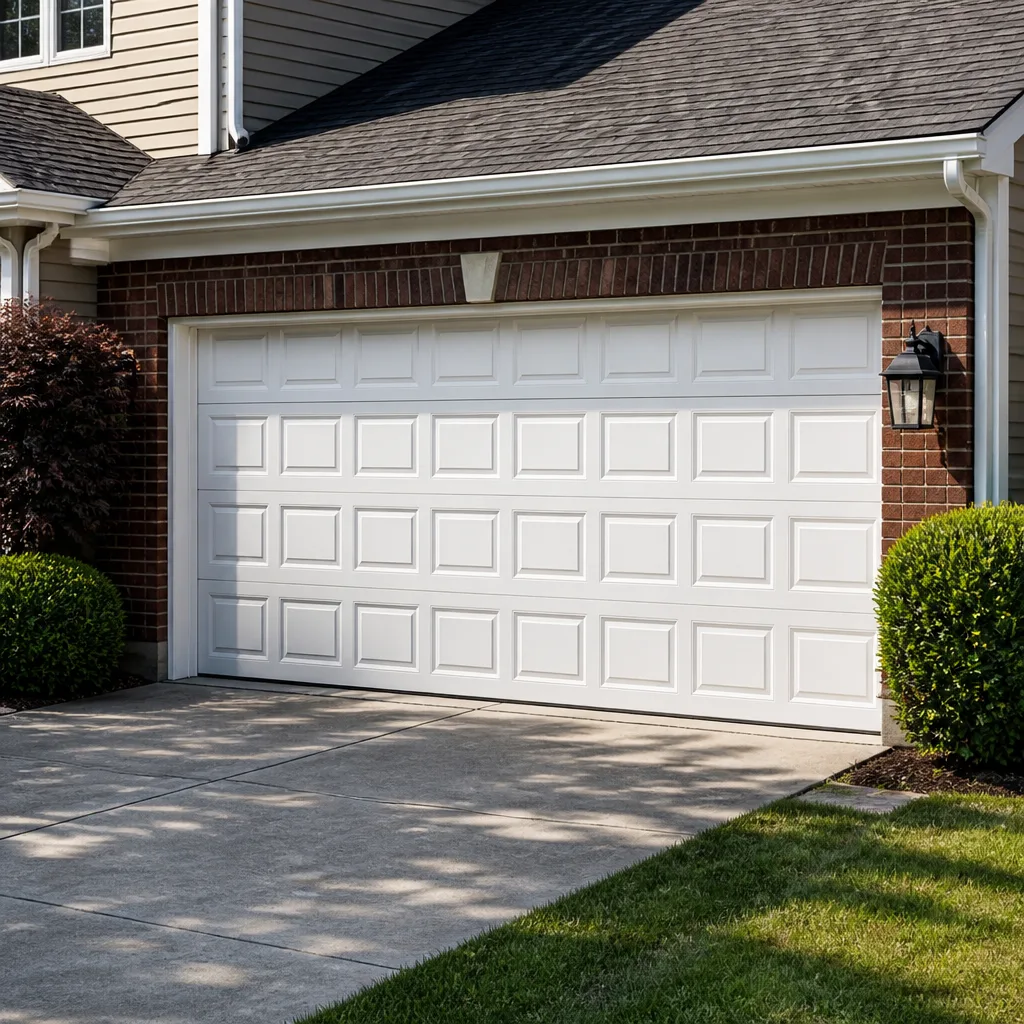 Raised-panel steel
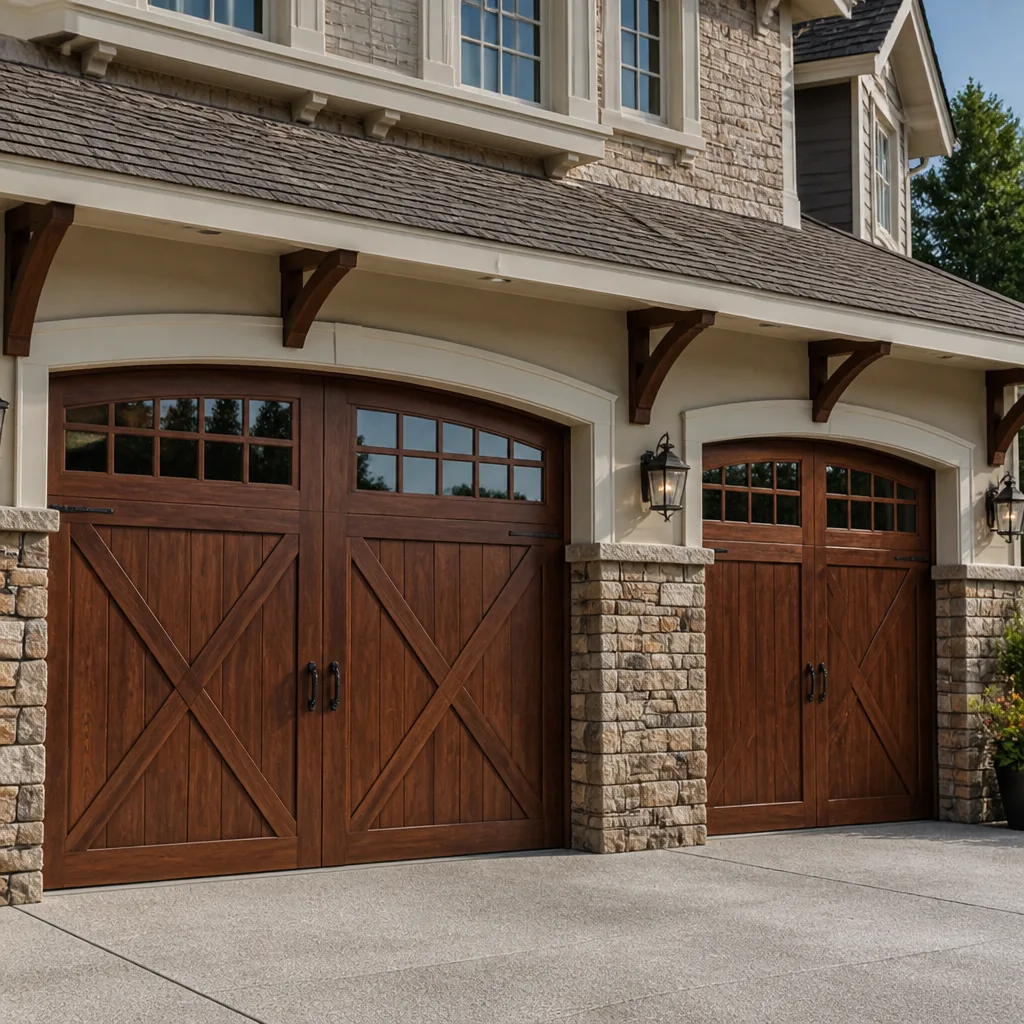 Carriage house
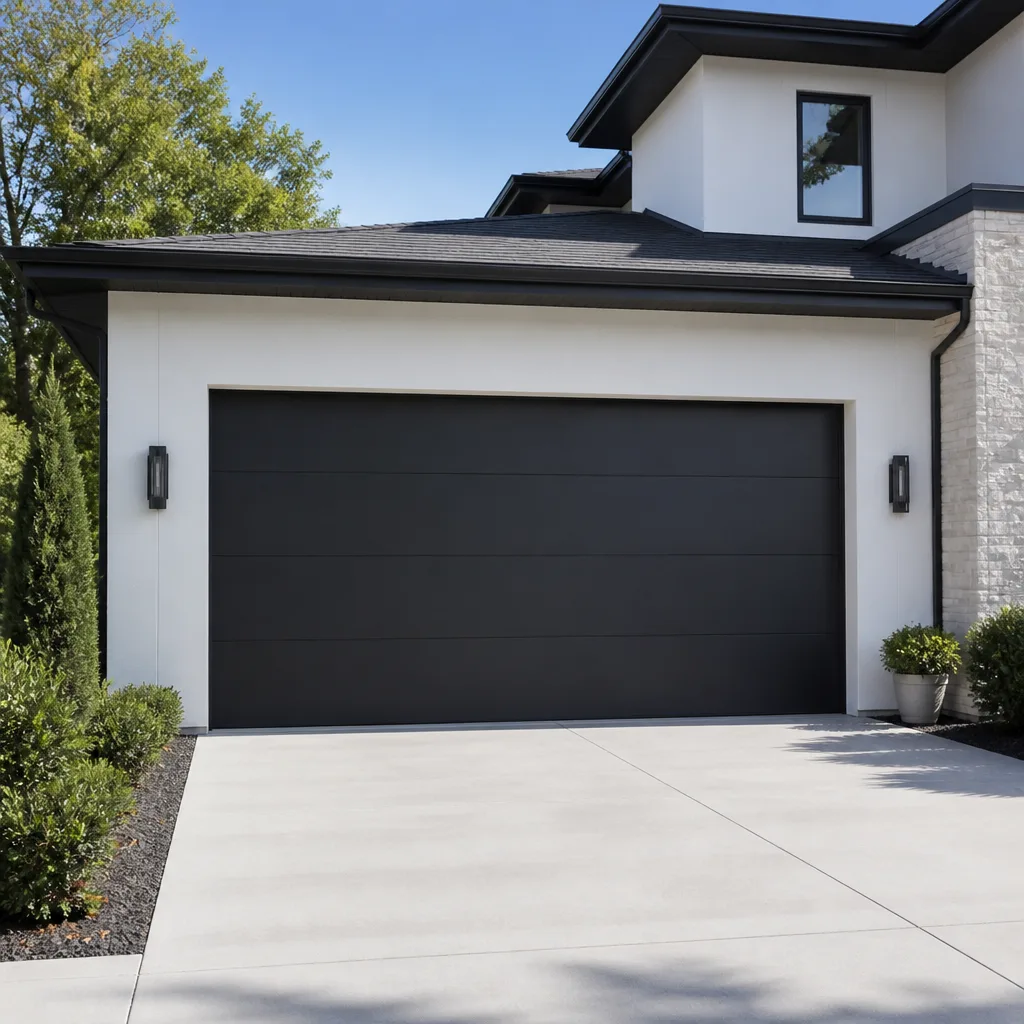 Modern flush
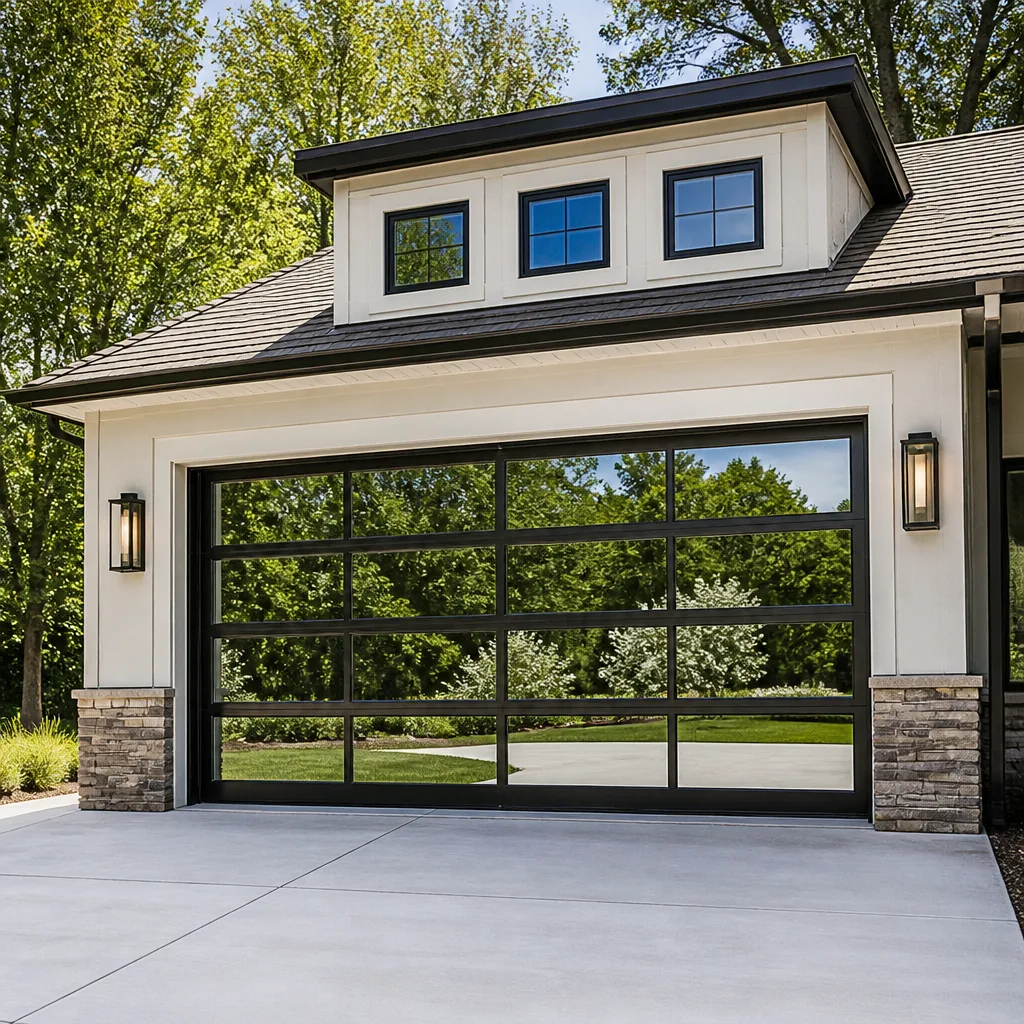 Full-view glass
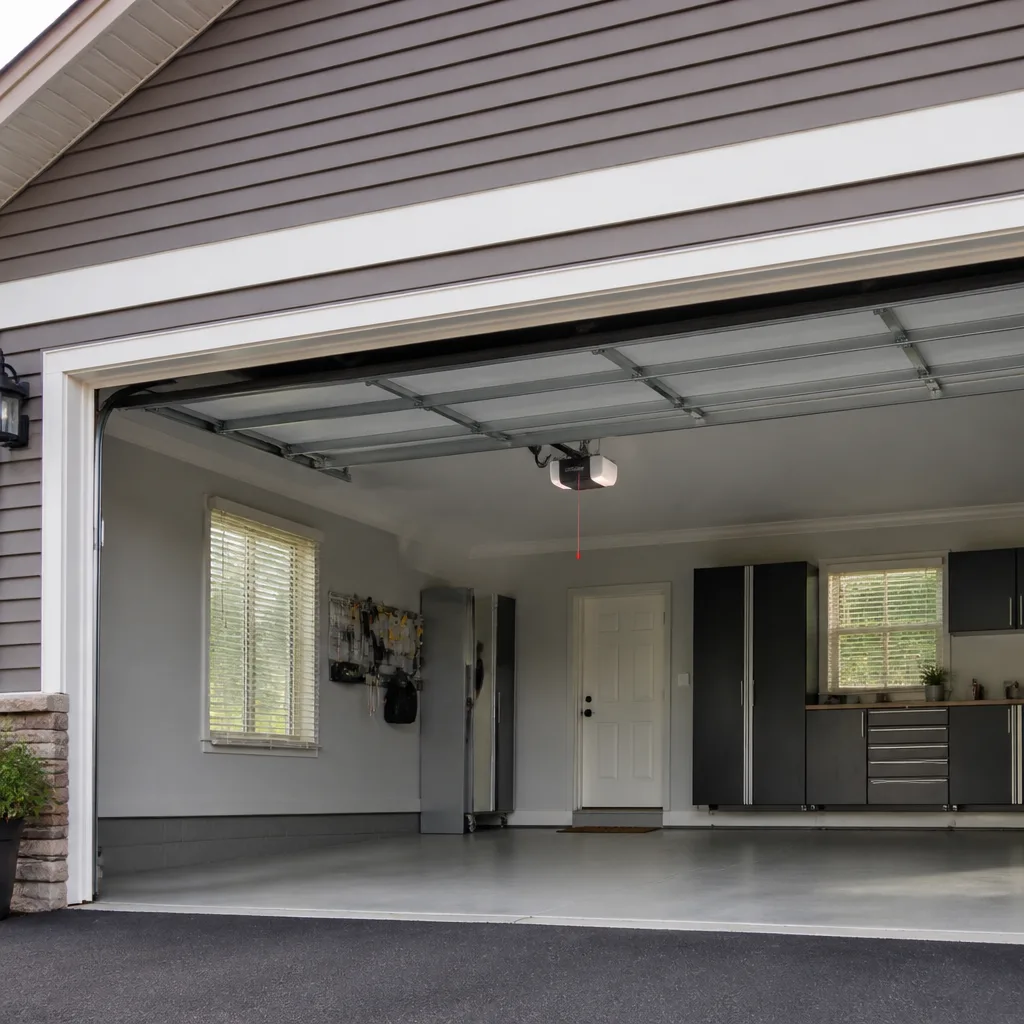 LiftMaster openers
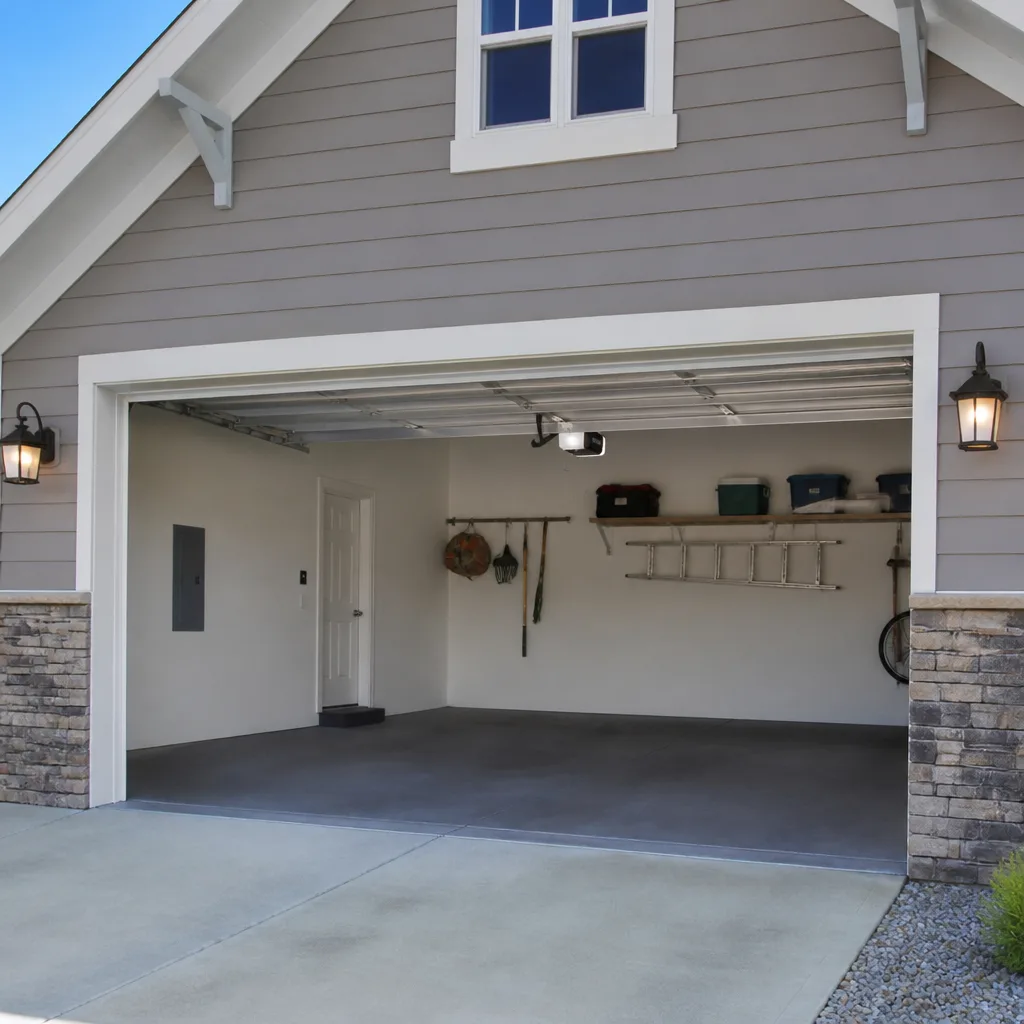 Chamberlain openers
Full 25-point door and opener safety check with every visit - springs, cables, rollers, tracks, and your LiftMaster or Chamberlain opener included
You get a price before we start. It does not change when the pro arrives.
Get your free estimateDIY vs Professional Garage Door: The Lorain Homeowner’s Decision Guide
A torsion spring on a standard double-car door stores roughly the same energy as a loaded gun pointed at whoever unwinds it. That’s physics, not scarecopy – and it’s the single fact that changes how you should think about garage door DIY. But here’s the counterintuitive part: most garage door tasks are genuinely safe for a careful homeowner, and treating every job as life-threatening leads people to overpay for work they could’ve handled themselves in twenty minutes. This guide draws the line precisely, task by task, so you can decide with clear information instead of fear or overconfidence. We cover what’s safe, what isn’t, what the parts actually cost, and how Ohio insurance treats a spring job gone wrong. You’ll finish knowing exactly what to do the next time something on your Lorain door misbehaves.
Quick Answer
Safe for a careful homeowner: weatherstripping, bottom seals, lubrication, photo-eye alignment, and most cosmetic work. Not safe and not worth attempting: torsion springs, extension springs, cable drums, and anything involving the opener’s internal wiring. The dividing line isn’t skill – it’s stored mechanical energy. Springs and cables hold tension that can cause serious injury the instant it releases, and that’s a trained technician’s job. Everything else is yours if you want it.
Styles & brands we work with
- Raised-panel steel
- Carriage house
- Modern flush
- Full-view glass
- LiftMaster openers
- Chamberlain openers
Table of Contents
- Why Garage Door Repair Is Different From Other DIY
- The Torsion Spring: The Single Most Dangerous Part in Your Garage
- What’s Genuinely Safe to DIY (And Worth the Time)
- What Requires a Trained Technician, Every Time
- Ohio Liability and Your Homeowner’s Insurance: What Happens After a DIY Injury
- The Real Cost Comparison: DIY Parts vs. Professional Quote
- The 60-Second Decision Flowchart for Lorain Homeowners
- Brand Matters More Than You Think: Craftsman, Raynor, and LiftMaster Systems
Why Garage Door Repair Is Different From Other DIY
Most home repair advice treats jobs on a spectrum from “easy” to “hard.” That’s not the right model for garage doors. The correct question isn’t how difficult a job is – it’s how much stored energy is involved. A door panel replacement is physically awkward but low-energy. A torsion spring replacement is physically straightforward but stores hundreds of foot-pounds of force. Those two facts don’t belong on the same spectrum. One rewards a careful homeowner with tools. The other punishes a momentary lapse in concentration with a hospital trip.
In Lorain, that distinction matters more than people realize. The housing stock here includes a lot of post-war and mid-century homes with older doors operating on original or near-original springs. Some of those springs have cycled tens of thousands of times. They’re fatigued, and fatigue failure can happen without warning – often mid-cycle, at the worst possible moment. A door that’s been quietly functional for a decade can snap a spring on the next opening. If you’re standing under it adjusting a track, that’s a very different situation than if a technician with a winding bar is treating it as routine.
There’s also the seasonal angle. Lorain winters move the door through a big temperature swing, and the metal components respond. Springs, hinges, rollers, and the panels themselves contract and expand. Doors that ran smoothly in October may bind in January. That’s a maintenance reality, not a defect. The good news is most of what November-to-March throws at you falls on the safe side of the line. Most of what happens in a spring failure does not.
Finally, the garage door is a balanced system, not a collection of parts. Springs, cables, drums, tracks, hinges, and rollers all work together to keep a 150-to-300-pound door opening with roughly ten pounds of force from your hand. When one element is out of adjustment, the others absorb the imbalance. This is why a “simple” DIY fix can cascade. Tightening a track to stop a rattle can push the door out of balance. Replacing one hinge can change the tension distribution. For our part, when we look at a garage door repair call, the first thing we assess is the whole system – not just the part the homeowner called about.
The Torsion Spring: The Single Most Dangerous Part in Your Garage
A torsion spring on a standard double-car door stores between 400 and 800 foot-pounds of energy when fully wound – roughly the equivalent of a 400-to-800 pound weight lifted one foot. That’s the number that matters. It’s not a fear tactic; it’s the reason spring replacement is the one garage door job where the difference between a trained technician and a determined homeowner can be a permanent injury.
Here’s how the physics work. The torsion spring sits horizontally above the door and is wound under tension to counterbalance the door’s weight. When you wind it, you’re storing energy. When the spring breaks or is released without control, it releases that energy in milliseconds. The winding bars used to adjust tension can become projectiles. The cables running to the drums can snap. The drum itself can shatter. Any of those outcomes at close range is a serious injury.
Extension springs, found on older or single-car doors, are a different mechanism but the same risk profile – and many of them lacked the safety containment cables now standard on newer installations. If your Lorain home has an extension-spring door without a containment cable, the spring can whip across the garage when it breaks. A trained technician can retrofit containment. It’s not something to attempt while the spring is still under tension.
Why This Isn’t a “Go Slow and Be Careful” Job
- The energy doesn’t care how careful you are. A momentary distraction is all it takes.
- Wind-up bars require precise technique, and a slip can turn the tool into a projectile.
- Improperly wound springs put uneven torque on the cables and drums, which can fail days later.
- Older doors often have fatigued springs that are already close to failure before you touch them.
- Replacement springs need correct calibration to the door’s weight and height; guessing leaves the door dangerously out of balance.
This is why garage door spring repair is treated as its own specialty – not a service a general handyman adds to their list. Spring replacement is a safety job. It’s the one part of a garage door where the question “who is doing this?” has to be answered with a trained specialist, not a helper with a wrench. Our technicians have up to 13 years of experience, and every one of those years is spent on garage doors and nothing else.
What’s Genuinely Safe to DIY (And Worth the Time)
The safe side of the line is wider than fear-based advice suggests. Here are the tasks a careful homeowner can absolutely handle – and many of them are the ones most likely to solve your immediate problem.
- Weatherstripping around the door perimeter. The vinyl or rubber strip along the sides and top of the frame. It pushes into a kerf or tacked channel. Ten-minute job. Replacing it stops the drafts and cuts the noise.
- Bottom seal replacement. The rubber or vinyl seal that runs along the bottom edge of the door. It slides or pulls through a channel. Twenty minutes. This one is the biggest single lever on winter drafts.
- Lubrication. Hinges, rollers, and the spring itself get a light application of a proper garage door lubricant. Not WD-40 (that’s a solvent, not a lubricant) and not heavy grease. Two or three times a year.
- Photo-eye alignment. The safety sensors near the floor need to “see” each other. If the door reverses immediately on close, this is usually why. Clean the lenses, check the brackets, realign.
- Track cleaning and light adjustments. Loose debris in the track can cause the door to jump. Cleaning it is safe. So is snugging a loose bracket bolt.
- Cosmetic panel work. Painting, touching up scratches on steel doors, replacing small trim pieces around the opening.
None of these jobs involve stored energy. None of them risk a spring letting go. They’re task-level fixes for task-level problems, and they’re worth doing because they extend the life of the door and cut your heating bill in a Lorain winter. When we talk to a homeowner about their garage door opener repair call and it turns out the problem is sensor alignment, we tell them – and if they want to handle it themselves, more power to them.
What Requires a Trained Technician, Every Time
The unsafe side of the line is narrower than the fear side suggests, but the items on it are the ones that matter most for your safety and your wallet.
- Torsion spring replacement. High-tension component. Stored energy in the hundreds of foot-pounds. Specifically a safety job.
- Extension spring replacement. Same risk profile, plus the containment-cable retrofit if missing.
- Cable and drum work. The lift cables run under tension. A slipping or breaking cable at load can whip and cut. Drum replacement is a calibrated job.
- Opener internal wiring and circuit board work. 120-volt wiring inside the opener head, plus the wall control low-voltage wiring. Not a place to learn electrical basics.
- Opener motor and gear replacement. The opener is a spring-assisted mechanism; a failed gear usually means the door was already straining against something. Replacing the gear alone masks the real problem.
- Track realignment. Heavy damage to the track frames requires precise re-squaring. Home-bent tracks cause binding that stresses every other part.
- Full door replacement. Measured, ordered, and scheduled – not a Saturday project.
- Any door that’s stuck off its tracks or hanging. A heavy door off-track is a falling risk. Don’t try to push it back into place.
There’s one more category: anything your homeowner’s insurance treats as a professional installation. A new opener installed by the manufacturer’s specs is a professional job in almost every insurer’s eyes. The same applies to any electrical work beyond swapping a plug-in opener. If the question is “who is going to have to sign off on this being installed correctly,” the answer is a trained technician, every time.
Ohio Liability and Your Homeowner’s Insurance: What Happens After a DIY Injury
This is the section most DIY guides skip, and it’s the one that changes the math on spring work. Ohio homeowner’s insurance generally covers a garage door as part of the dwelling structure, but it typically responds to accidental damage and covered perils – not to injuries sustained during an unpermitted or improperly performed repair by the homeowner. That gap is why a DIY spring injury can be financially catastrophic even before the medical bill arrives.
Here’s what you’re risking when you DIY a spring:
- Injury without medical coverage. If you’re injured in your own garage working on your own property, your health insurance is the primary payer – not your homeowner’s policy. Medical bills from a serious hand, arm, or head injury can run well into five figures.
- Structural damage to the door and frame. A spring that lets go during unwinding can twist the torsion tube, bend the track, or crack a panel. That’s a five to ten times the cost of a professional spring replacement.
- Secondary damage to vehicles. If a door drops on a car in the driveway, you’re looking at collision repair plus the garage door replacement.
- Invalidated warranty on a new opener. Many opener manufacturers require professional installation to keep the warranty intact.
- Disclosure issues at resale. An inspection during a sale can flag unpermitted or obviously amateur spring work, and buyers and their agents will ask.
We’re not attorneys, and we’re not insurers, so we always tell homeowners the same thing: if you want to know exactly how your specific policy treats a DIY injury, call your agent before you start the job. What we can tell you is that in our experience, the “I’ll just save the service call” decision on a spring job shows up on the other side as a much bigger bill than the one you were trying to avoid. A homeowner who calls us before attempting it spends less money and keeps their weekend.
The Real Cost Comparison: DIY Parts vs. Professional Quote
On paper, DIY is cheaper. In practice, on anything but the smallest jobs, the gap closes fast – and on spring work it can invert. Here’s the real comparison, task by task.
| Task | DIY Parts Cost | Typical Pro Quote | Real Verdict |
|---|---|---|---|
| Weatherstripping (perimeter) | $15 – $40 in materials | $75 – $150 installed | Usually DIY |
| Bottom seal replacement | $20 – $45 in materials | $90 – $175 installed | DIY if you’re handy |
| Photo-eye realignment | $0 | Diagnostic included in repair quote | DIY |
| Lubrication | $10 – $20 in materials | N/A (included in tune-up) | DIY |
| Torsion spring pair | Parts $60 – $120 (mismatched quality available) | Pull to the door, calibrated, with warranty | Pro, no question |
| Opener replacement | Unit $150 – $400 | Unit plus installation, haul-away, calibration | Pro for warranty |
| Full door replacement | Door $500 – $2,000+ | Door plus install, springs matched to weight, disposal | Pro, always |
The numbers that matter here are the ones nobody puts in the DIY column. A homeowner who tries a spring job and gets hurt pays for the ER visit, then pays a technician to finish the job, then pays for whatever the loose spring damaged. A homeowner who replaces an opener themselves loses the manufacturer warranty if the install isn’t to spec. A homeowner who bends a track “fixing” a rattle pays for full realignment on top of the original issue. The DIY calculation is only about the parts. The professional calculation is about the parts plus the risk plus the warranty plus the time.
On the small jobs – weatherstripping, seals, lubrication, sensors – the trade is real and in your favor. Do those yourself. On spring work, opener work, and door replacement, the professional quote is the cheaper number almost every time, once you account for the hidden costs. That’s not a sales pitch; it’s the honest math.
For any job that isn’t safe to DIY, our written estimate is free and sets the final price. Whatever number you see on the written quote is what you pay – no surprise invoice after the work is done. If you’re looking at a spring job in Lorain, call (866) 937-7151 for a free estimate before you buy parts.
The 60-Second Decision Flowchart for Lorain Homeowners
If you want a fast answer rather than a full explanation, this is the decision sequence. Three questions, sixty seconds, and you’ll know which side of the line you’re on.
Question 1: Does the job involve a spring or a cable?
If yes – stop. It’s a professional job. Every time. No exceptions for “just tightening it” or “just checking.” Springs and lift cables are under stored tension, and that’s the safety line. Call a specialist.
Question 2: Does the job involve the opener’s internal wiring or motor?
If yes – professional job. The opener’s internals are 120-volt territory. Swapping a wall control you unplugged first is fine. Opening the head cover to diagnose a board isn’t.
Question 3: Is the door itself properly balanced and operating normally?
If yes, and the answer to questions 1 and 2 was no, it’s likely a safe DIY job. Weatherstripping, seals, lubrication, sensors, tightening an idle bracket – all fair game. Go slow, follow instructions, and you’ll be fine.
The exception to all three
If the door is off its tracks, hanging, or stuck open, don’t answer the flow at all. Stop and call. A door stuck open is a security problem as much as a mechanical one. Anyone can walk into your garage. Emergency service is what that situation is for – call and get a technician out.
Brand Matters More Than You Think: Craftsman, Raynor, and LiftMaster Systems
One more thing that gets overlooked in the DIY vs professional debate: brand matters, and it matters most when you need a technician fast. A LiftMaster opener and a Raynor door are engineered differently. Their parts are not interchangeable. Their spring calibration specs are different. Their diagnostics are different. A generalist who works on garage doors once a week has to look up the specs on your specific brand. A specialist who works on them daily already knows what to check.
This matters most in the following cases:
- Craftsman opener diagnostics. Older Craftsman units have characteristic failure modes that trained technicians recognize by symptom before opening the housing.
- Raynor door troubleshooting. Raynor’s panel construction and spring systems have specific service sequences that a generic installer’s playbook doesn’t cover.
- LiftMaster opener pairing and wall control issues. Modern LiftMaster openers have wireless pairing that needs sequence-specific reset procedures; getting these wrong can lose a homeowner hours.
- Chamberlain garage door opener repair calls. Chamberlain’s smart features and pairing are common sources of “the door just stopped working” complaints when the actual failure is a pairing issue, not a hardware issue.
We work on LiftMaster, Chamberlain, Genie, Clopay, Amarr, Wayne Dalton, Craftsman, and Raynor systems regularly. That’s not a marketing line – it’s a working reality that shows up in how fast we diagnose a problem when we pull into a driveway. When you go the professional route, brand fluency saves diagnostic time, which often saves money.
Common Mistakes to Avoid
- Trying to “save money” by DIY-ing a torsion spring. The single most common mistake we see. The energy in a fully wound spring can permanently injure. The savings don’t exist when the finished job also comes with a medical bill.
- Assuming the door is “balanced” because it opens. A door can open while still straining the opener. Balance is tested with the door disconnected from the opener and manually operated halfway up – if it doesn’t hold, the spring or cable is wrong.
- Replacing one spring of a matched pair. Springs wear together. Replacing one and leaving the other means the new one carries more load and fails early. Both get replaced together.
- Using WD-40 instead of proper garage door lubricant. WD-40 is a solvent that removes the grease the door needs. It makes the door quieter for a day and causes early roller and hinge wear. Proper lithium or silicone garage door lubricant is the only thing that should be on the door.
- “Fixing” a bent track with a hammer or crowbar. Metal tracks are structural. Bending them out of square causes binding that stresses springs, cables, and the opener. If the track is bent, a technician realigns it – the DIY fix usually makes it worse.
- Skipping the winter maintenance in a Lorain winter. Cold shrinks metal and stiffens lubricant. Doors that were fine in October bind in January. A February door that seems “stuck” is often just a door that needed December maintenance.
- Not pulling the emergency release before checking balance. When you test the door’s balance by hand, disconnect the opener at the release first. Testing with the opener connected tests the opener’s tolerance for an unbalanced door, not the door.
See the difference
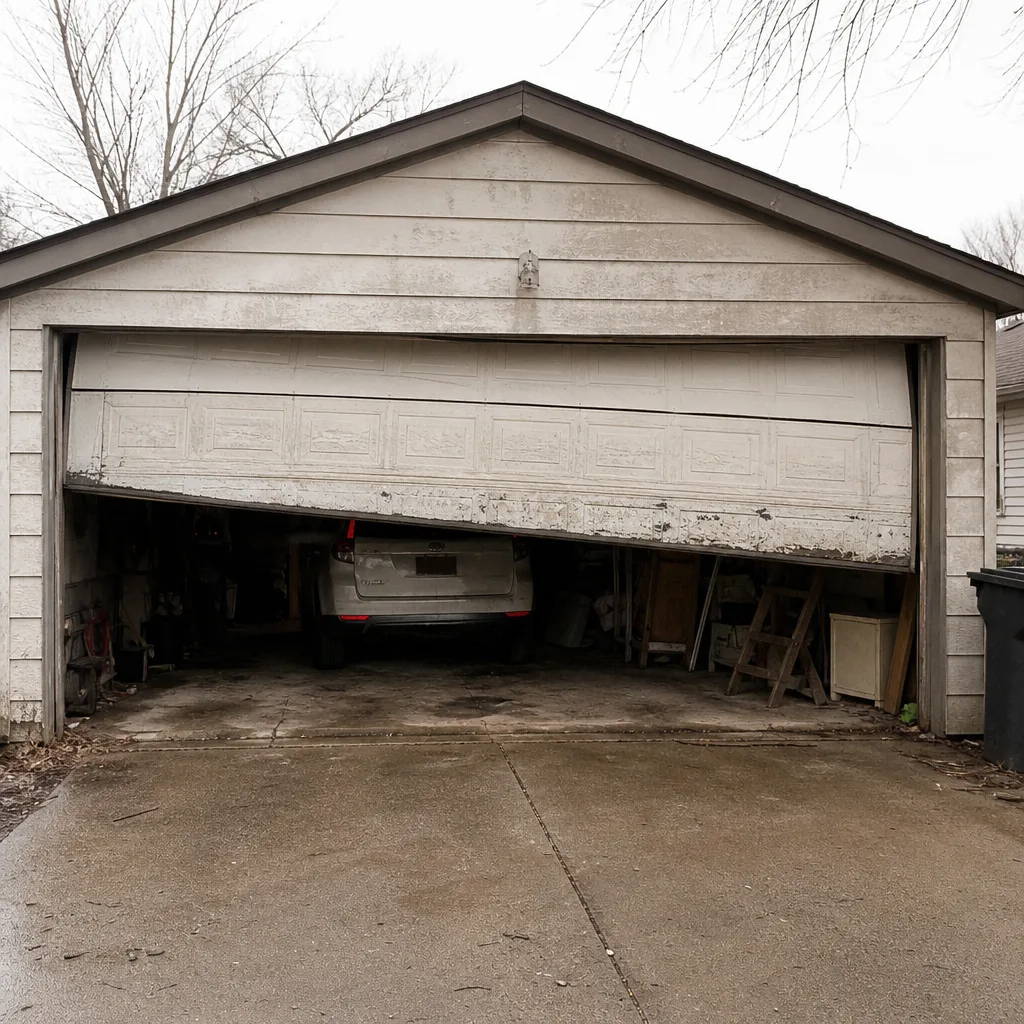 Before
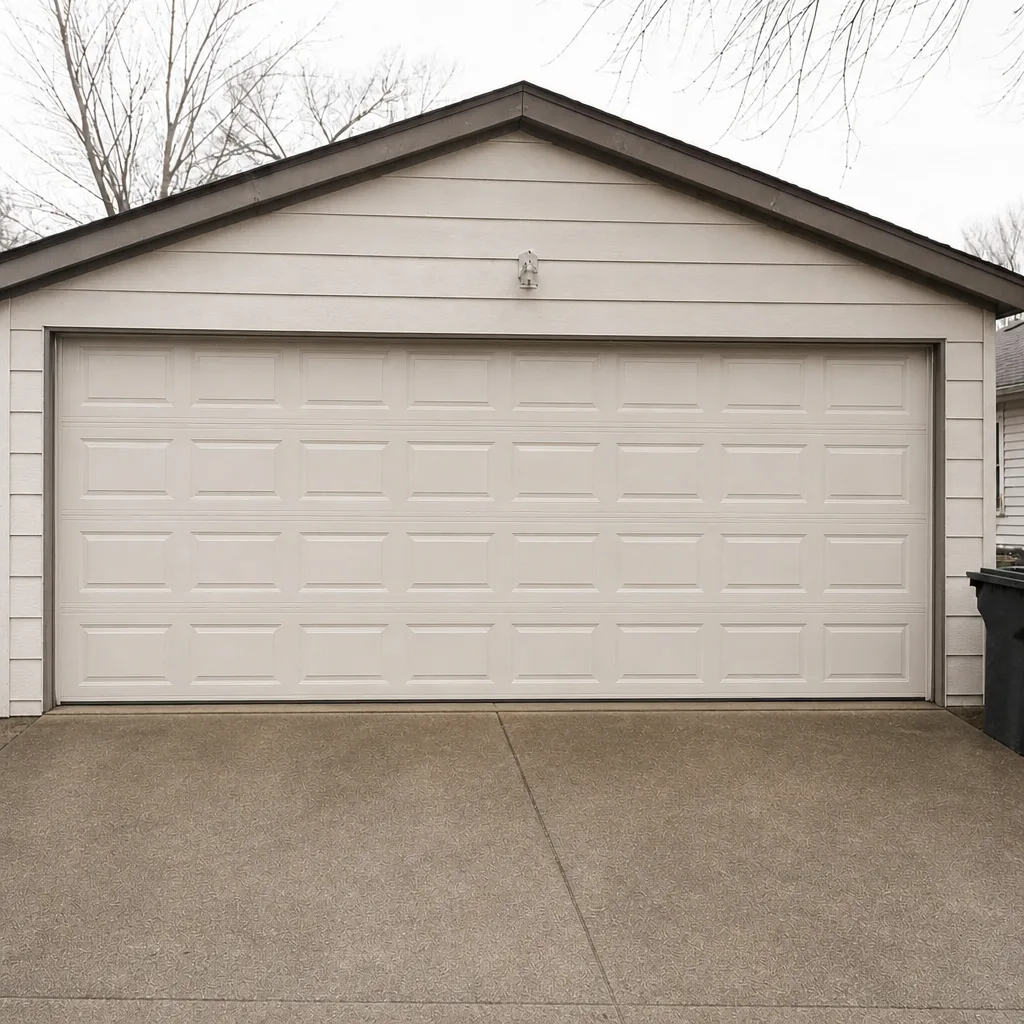 After
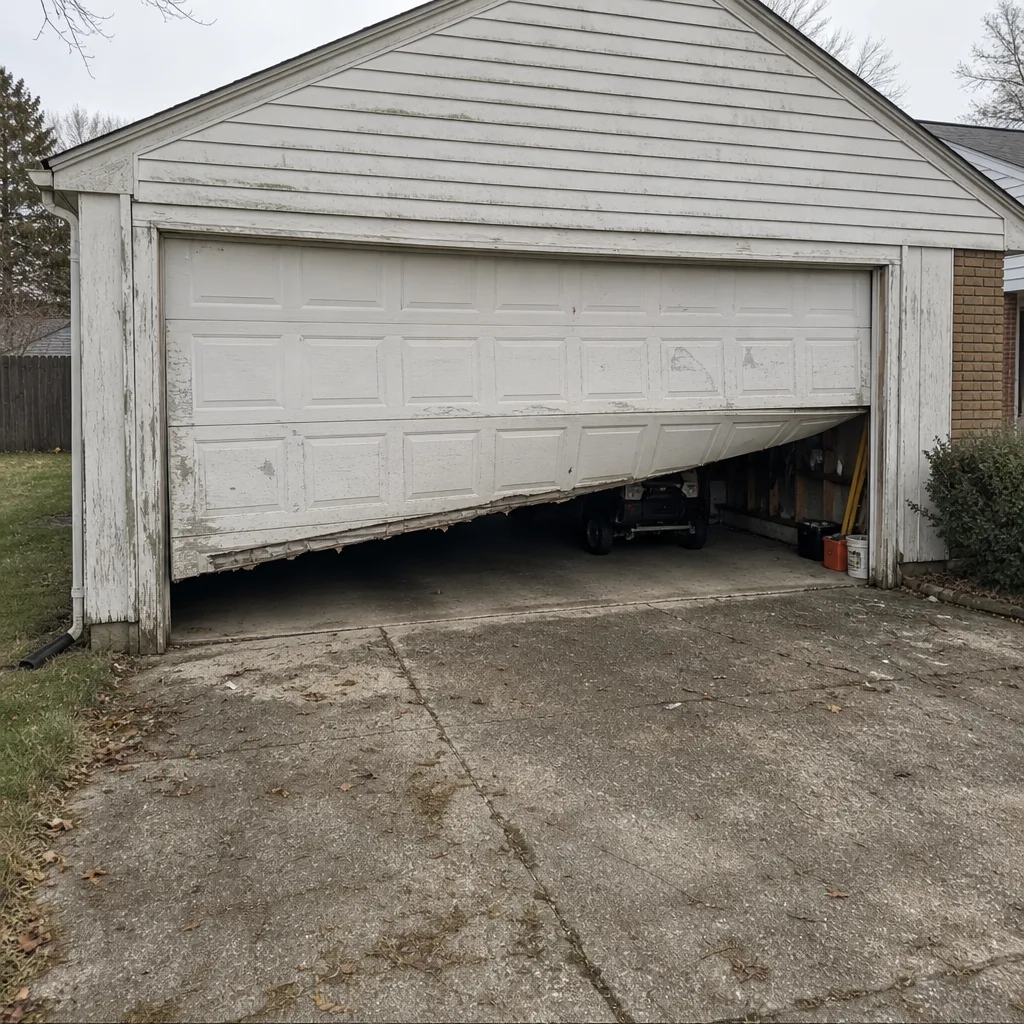 Before
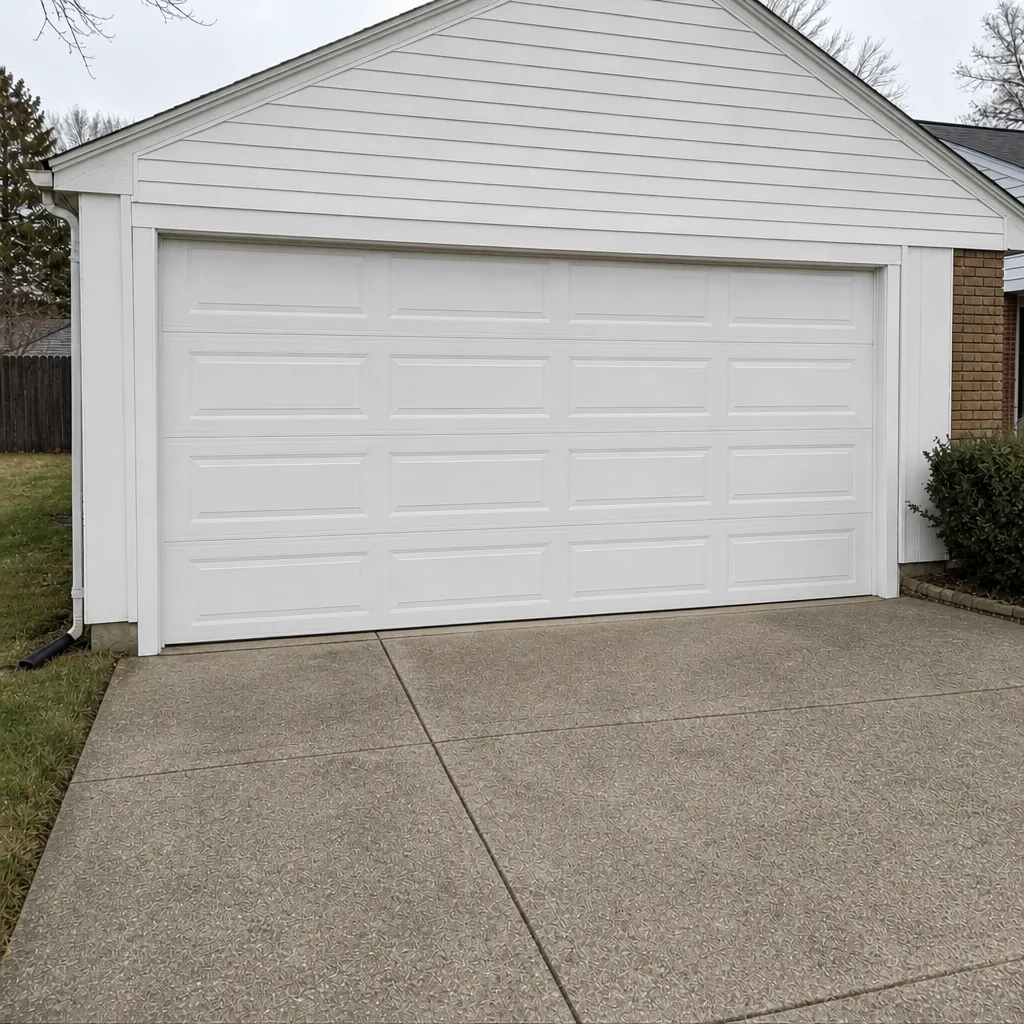 After
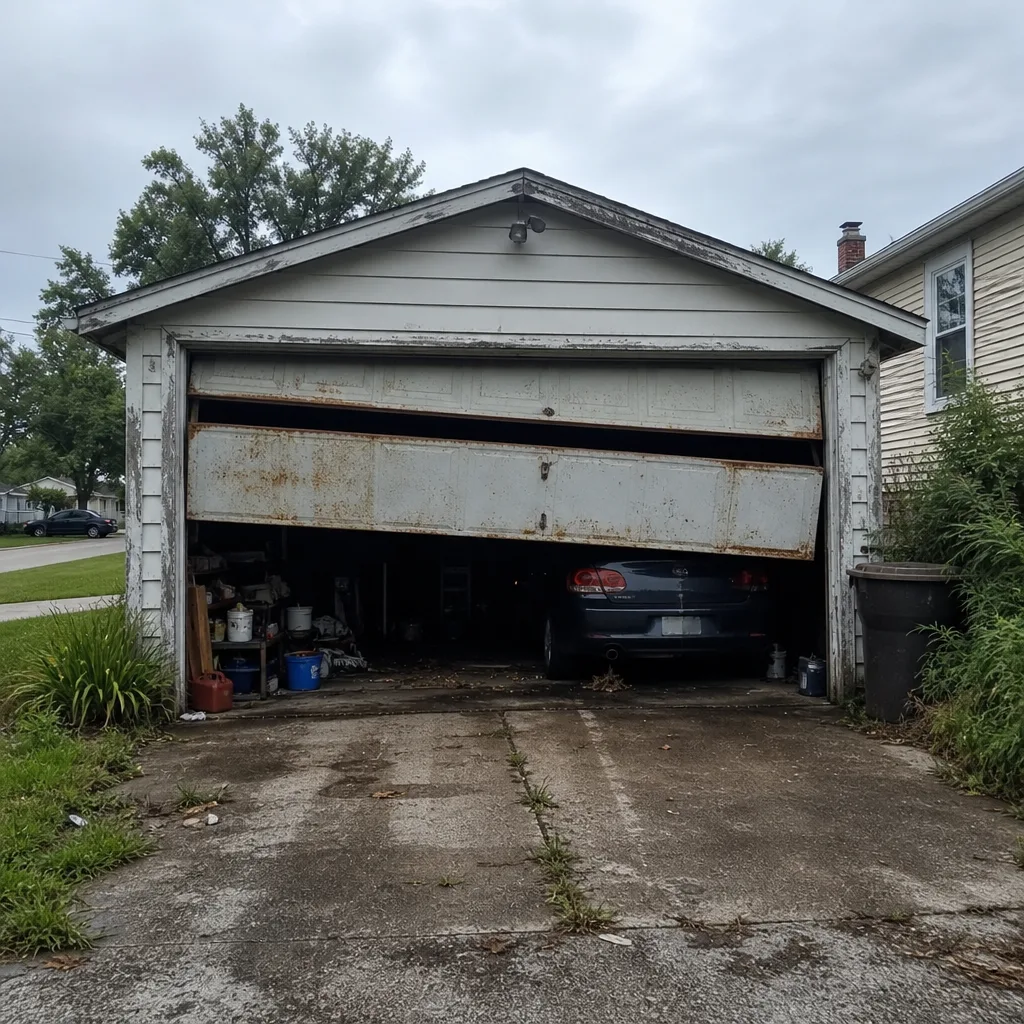 Before
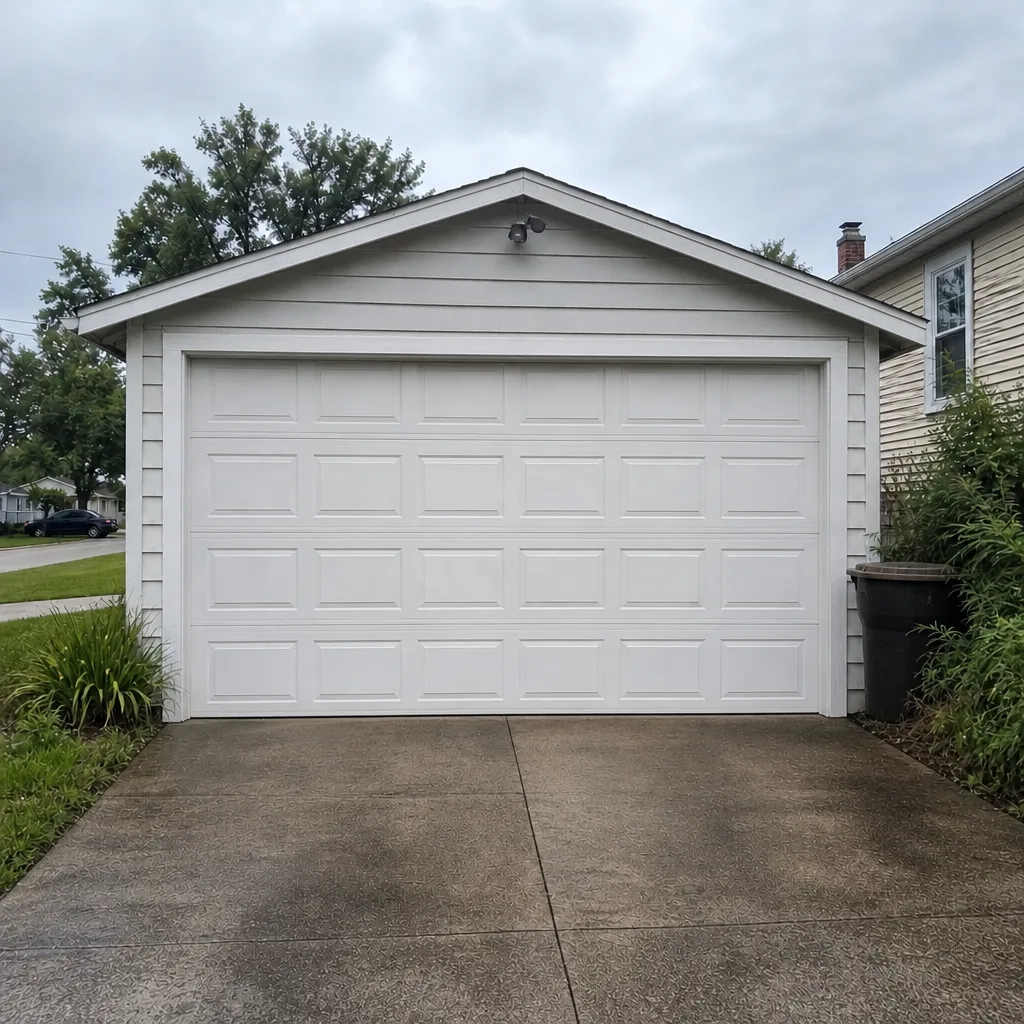 After
When to Call a Professional
Call a professional any time the answer to the flowchart questions points to spring or cable work, opener internals, or a door that’s off-track, hanging, or stuck open. Call a professional the moment your door isn’t operating normally and you’re not sure why – diagnosis is not a DIY skill. Call when you’re facing a full replacement, since doors are measured, ordered, and scheduled rather than repaired on the spot. Call when a Craftsman, Raynor, or LiftMaster system is doing something you don’t recognize; a specialist will know the symptom. Lorain Garage Door Repair Pros offers free estimates in Lorain – call (866) 937-7151. We answer 24/7. Fast dispatch from 7am to 7pm, Sunday through Friday. A stuck or open door is a security issue, and emergency service is what it’s for.
Frequently Asked Questions
No. A standard torsion spring stores hundreds of foot-pounds of energy when wound, and releasing it without training can cause serious injury. This is the one garage door repair we tell every homeowner not to attempt. Call (866) 937-7151 for a free estimate – spring replacement is a specialist’s job, and it’s priced as one job with a written quote up front.
Weatherstripping, bottom seal replacement, lubrication, photo-eye alignment, and cleaning the tracks are all safe for a careful homeowner. None of these involve stored spring or cable tension. If the work involves a spring, a cable, or the opener’s internal wiring, it crosses into professional territory. Getting the small jobs right yourself is worth the time; getting the big ones wrong is worth calling.
Most common repairs land in a modest range – a spring pair replacement, an opener diagnostic and repair, or a track realignment are all mid-range jobs, per-job priced by written estimate rather than a one-size-fits-all number. The estimate is free, and the price is set before any work starts. If a homeowner ends up paying more than a quote, that’s a conversation we’ve never had. Call (866) 937-7151 for the exact number.
Usually no. Ohio homeowner’s policies generally cover accidental damage to the structure, but they typically don’t pay for injuries sustained by the homeowner while doing the work themselves – your health insurance is the primary payer. If you want to know exactly what your policy covers, call your agent before you start any job. We’re not insurers, but we’ve seen the “I tried it myself” aftermath enough times to tell you the risk is real.
Sometimes. A home inspection will catch obvious amateur spring work, bent tracks, or an opener installed to a non-standard spec. Buyers and their agents ask questions when they see it. A professional install with a warranty avoids the conversation entirely, and a documented repair is easier to explain than a hand-done one. If resale is on your horizon, treat the big jobs as a professional install with a record.
Call a professional immediately. A door stuck open is a security problem – anyone can walk into your garage and from there into your home. Don’t try to force it closed yourself; a heavy door off its tracks is a falling risk. Call (866) 937-7151. We answer 24/7. Fast dispatch from 7am to 7pm, Sunday through Friday. Emergency service is one of our core offerings, not a premium option.
The Bottom Line
The DIY vs professional garage door question is not about how handy you are. It’s about which tasks involve stored energy and which don’t. Weatherstripping, seals, lubrication, sensors, and cosmetic work are yours if you want them – handle them and save the labor. Springs, cables, opener internals, and any door that’s off-track or hanging belong with a trained technician, every time. The real cost comparison favors DIY on the small jobs and favors professional work on the big ones, especially once you account for the hidden costs of a botched job. Our technicians have up to 13 years of experience, we work on LiftMaster, Chamberlain, Genie, Clopay, Amarr, Wayne Dalton, Craftsman, and Raynor systems daily, and our single-trade focus means every tool and every part is purpose-matched to garage doors. If you’re in Lorain and you’re not sure which side of the line your job falls on, call (866) 937-7151 for a free estimate. We answer 24/7. Fast dispatch from 7am to 7pm, Sunday through Friday. The written quote is the price, and the estimate costs nothing.
Before you call, it’s worth reading up on our Lorain Garage Door Repair Pros approach to warranty and follow-up so you know exactly what you’re getting with a professional visit.
Written by the team at Lorain Garage Door Repair Pros.