
Last updated November 21, 2026
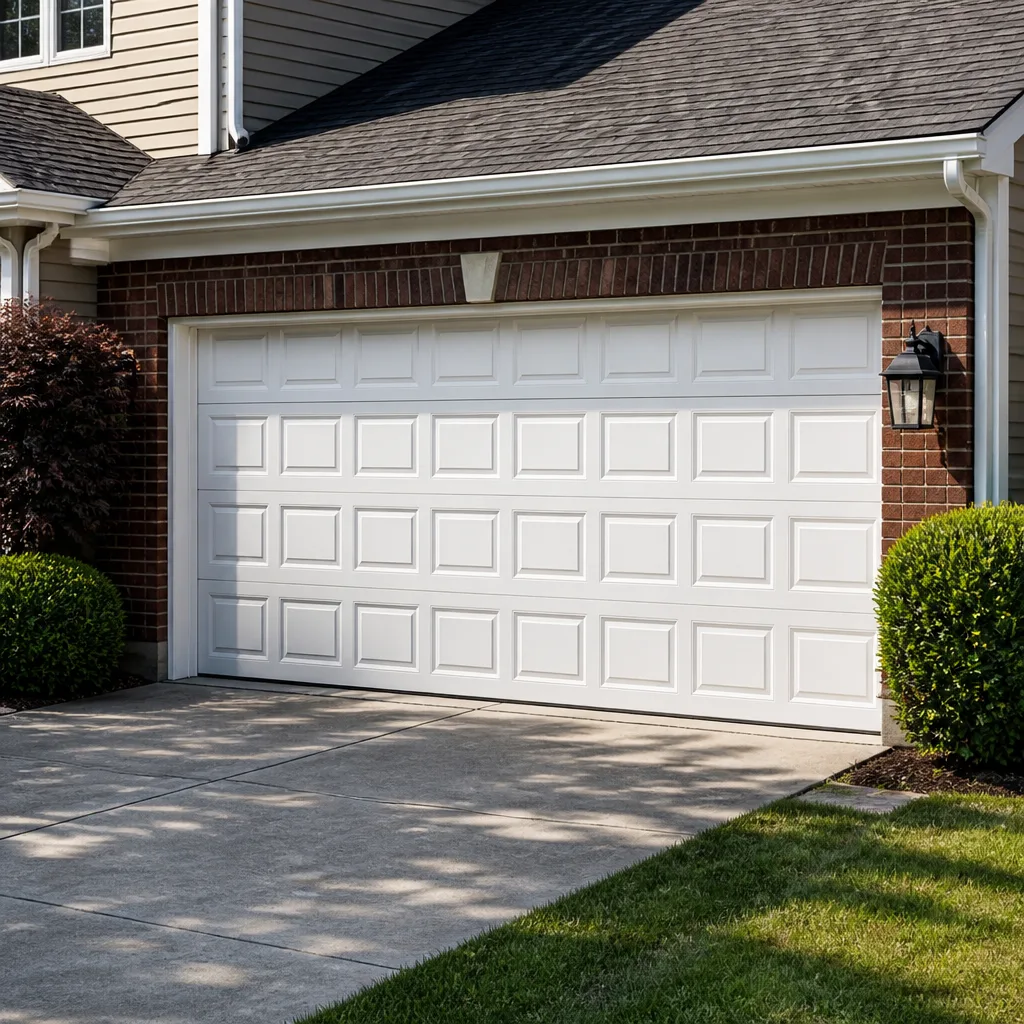 Raised-panel steel
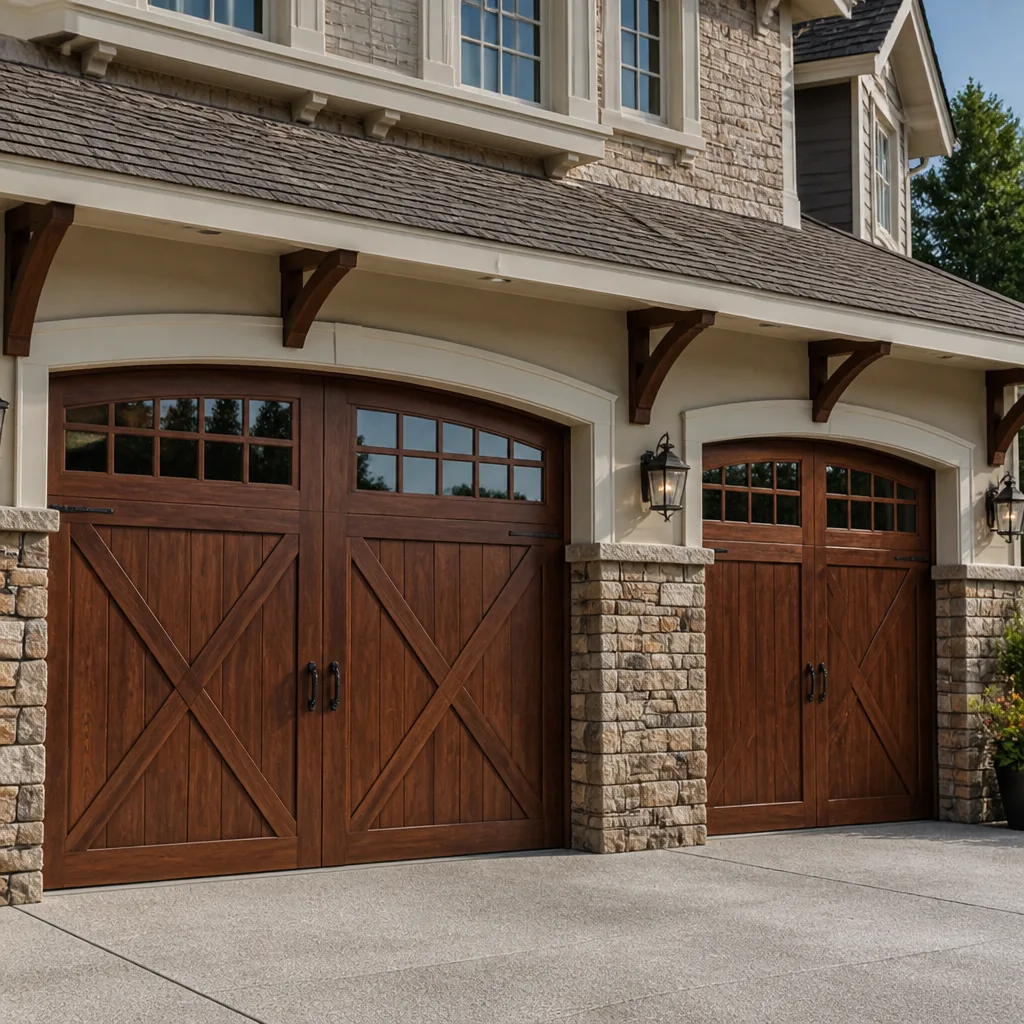 Carriage house
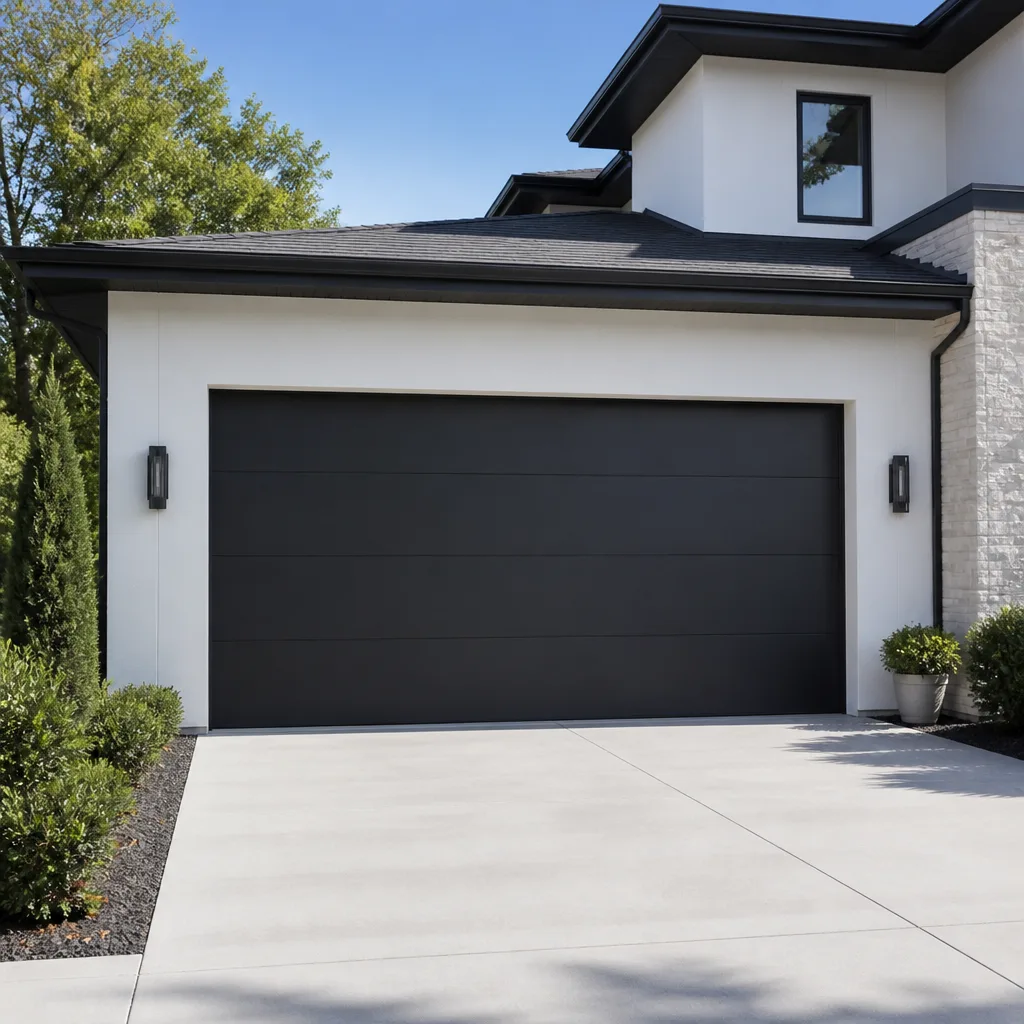 Modern flush
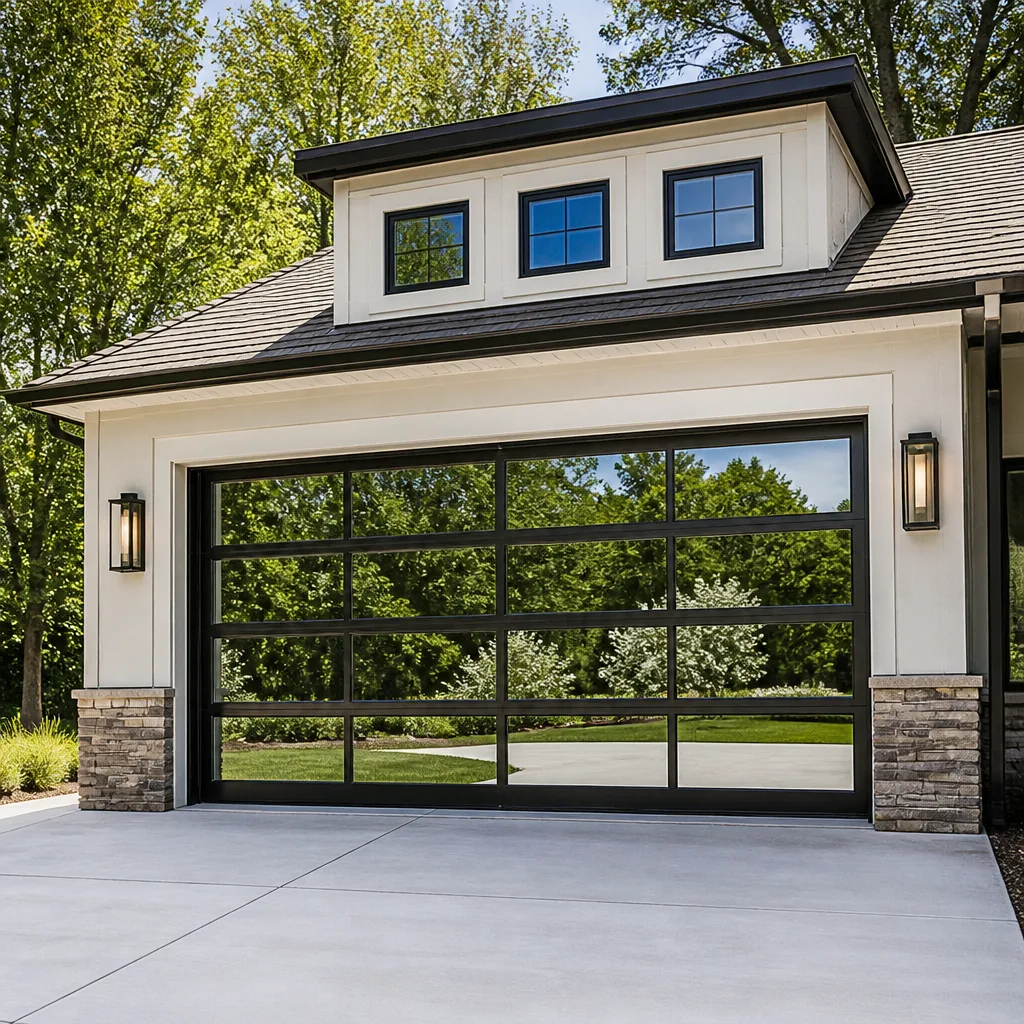 Full-view glass
 LiftMaster openers
 Chamberlain openers
Full 25-point door and opener safety check with every visit - springs, cables, rollers, tracks, and your LiftMaster or Chamberlain opener included
You get a price before we start. It does not change when the pro arrives.
Get your free estimateGarage Door Repair Troubleshooting in Lorain: Common Problems and How to Fix Them
A door that reverses before it hits the floor and a door that reverses halfway down can look like the same fault from the driver’s seat. They aren’t. One is usually a sensor or limit setting. The other is usually a spring that’s lost tension or a track that’s grabbed a roller. Swap the fixes and you’ll spend an afternoon on the wrong part, or worse, on a component under several hundred pounds of stored tension. This guide maps symptoms to the actual mechanical category behind them – spring system, track and roller, opener logic, cable, or safety sensor – so you can tell in minutes whether it’s a ten-minute adjustment or a job that belongs with a specialist. Everything here is written from Lorain, where freeze-thaw cycles do a number on tracks and springs that homeowners in milder climates never deal with.
Quick Answer
Most garage door problems trace to one of five failure categories: the spring system, the track and rollers, the opener’s logic board or limits, the cables, or the safety sensors. Identify the category from the symptom first, then decide whether it’s a safe adjustment or a spring-and-cable job for a trained technician. A door that won’t close at all is a security problem, so if you’re unsure which category you’re in, call (866) 937-7151 and describe the symptom – we answer 24/7.
Styles & brands we work with
- Raised-panel steel
- Carriage house
- Modern flush
- Full-view glass
- LiftMaster openers
- Chamberlain openers
Table of Contents
- The Five Failure Categories That Explain Almost Every Problem
- Spring System Failures: The Safety Job You Don’t DIY
- Track and Roller Problems: Where Lorain’s Freeze-Thaw Cycle Shows Up
- Opener Logic Faults: Limits, Trolleys, and Force Settings
- Cable Failures: The Symptom That Looks Like a Spring
- Safety Sensor Problems: The Easiest Fix in This Guide
- How to Verify a Repair Was Actually Done
- The Misdiagnoses That Cost You Money
The Five Failure Categories That Explain Almost Every Problem
Before you touch anything, sort the symptom into a category. This is the step most homeowners skip, and it’s why people end up buying a new opener motor when the real fault was a worn trolley carriage. Each category has its own tell.
- Spring system. The door feels impossibly heavy, won’t stay up, or you hear a loud bang from the garage. The door may only open a few inches before stalling. This is the highest-risk category.
- Track and roller. The door binds, scrapes, or veers to one side as it travels. You may see a roller out of the track or a bent section of rail.
- Opener logic. The motor runs but the door doesn’t move, or the door reverses for no visible reason, or the remote works intermittently. The door itself may be perfectly balanced.
- Cable. The door hangs crooked, a cable looks loose or frayed, or one side drops lower than the other. Cables live under the same dangerous tension as springs.
- Safety sensor. The door starts down and immediately reverses, or won’t respond to the wall button at all. The motor and door are fine; the door just refuses to close.
Run one quick balance check to narrow things down: disconnect the opener using the release cord, lift the door halfway by hand, and let go. A properly balanced door stays put. A door that slams down or won’t stay up points to the spring system, and that’s your category. In our experience across Lorain, the balance test is the single fastest way to separate a door problem from an opener problem.
Once you know the category, the rest of this guide gets specific. And if the symptom is a door stuck open right now, Lorain Garage Door Repair Pros handles emergency calls because an open door is a security exposure, not just a nuisance.
Spring System Failures: The Safety Job You Don’t DIY
If the door is heavy, won’t stay up, or you heard a bang, stop here and don’t attempt this one yourself. Garage door springs store enough energy to cause serious injury, and the winding bars and procedures that make the job safe aren’t things a homeowner should improvise. This is a trained technician’s job, full stop.
Two spring types matter. Torsion springs run on a shaft above the door; extension springs stretch along the sides. When a torsion spring breaks, it usually announces itself with a sharp report and a door that suddenly can’t be lifted. Extension springs fail more quietly and need a safety containment cable to prevent them from flying if they snap.
What makes springs a specialized repair and not a general handyman task:
- The spring’s tension has to be released in a controlled sequence before any part can be swapped.
- A replacement spring must be matched to the door’s weight and height, not just its physical dimensions.
- A matched pair is almost always replaced together, since a spring that’s carried a door for years has lost some lift by the time its partner fails.
For a clearer picture of this work, see our garage door spring repair page. A typical spring replacement in the Lorain area runs roughly $180 to $340 for one spring, and a matched pair costs about twice that because both springs are replaced as a set. Those are estimates; your written quote is the final price.
Our technicians have up to 13 years of experience and have handled torsion and extension systems on Clopay and Amarr doors throughout Lorain. Spring repair is a safety job, and it’s why we treat it as its own discipline rather than a sideline.
Track and Roller Problems: Where Lorain’s Freeze-Thaw Cycle Shows Up
A door that binds, scrapes, or drifts to one side is usually a track or roller issue – and in Lorain, the freeze-thaw cycle is a frequent culprit. As temperatures swing across the freezing line through winter, moisture works into seams and gaps around the garage, then freezes and expands, then thaws. Over a season that repeated expansion and contraction can push a track slightly out of plumb. A track that was true in October can be a fraction out of line by February, and a fraction is enough to make a roller drag.
Summer brings the opposite problem. Heat and humidity cause wood framing to swell and door panels to expand, which can tighten a track against its rollers. So the same door can scrape in July and bind in January for entirely different reasons. That’s a locally specific headache, and it’s why we check track alignment seasonally rather than assuming a door is set up correctly once and stays that way.
What’s safe to handle yourself:
- Inspect the tracks by eye. Look for a bend, a kink, or a section that’s visibly out of line with the rest.
- Check that all rollers sit fully inside the track. A roller that’s popped out needs to be reseated or replaced.
- Wipe the tracks clean and apply a garage-door-specific lubricant – not grease, not WD-40 as a lubricant. A dry, clean track with light lubrication solves a surprising share of scraping complaints.
- Look for loose track brackets and snug any bolts you can reach safely with the door fully closed.
What’s not safe: prying a bent track back into shape with the door under tension, or trying to straighten a track while the opener is engaged. Those are the cases where a bent section should be replaced. If the door still binds after lubrication and a visual check, the alignment needs to be measured, and that’s a call to a specialist.
Opener Logic Faults: Limits, Trolleys, and Force Settings
A motor that hums but doesn’t move the door is almost never a dead motor. It’s usually one of several logic or mechanical faults, and telling them apart saves you from buying an opener you don’t need.
Start with the limit switch. This is the setting that tells the opener where the door should stop at the top and bottom of its travel. If it’s drifted, the door may stop short, reverse early, or run too far. Adjusting limit switches is a genuinely safe DIY task – most openers use a pair of screw dials, and you make small turns and test the travel. Do it with the door disconnected from the opener if you can, so the motor isn’t fighting the door.
Next, the trolley carriage. This is the part that rides along the rail and connects the opener arm to the door. The carriage has a wear point – a plastic gear or shuttle – that can strip over time. When it does, the motor spins, you hear it running, but the carriage doesn’t pull the door. Homeowners frequently misread this as a burned-out motor and buy a whole new unit. More often than not, the motor is fine and a small carriage part is the fix.
Force settings are the third common culprit. Modern openers have a force adjustment that decides how hard to push before reversing. If it’s set too low, the door reverses on its own. If it’s too high, the safety protection is weakened. Set it to the manufacturer’s recommendation – don’t crank it up to force a stubborn door closed, because that forces the opener to work against a mechanical problem that needs solving instead.
On Chamberlain and Genie units especially, the diagnostic LEDs and error codes point you straight to the fault. Knowing those codes is what lets a technician diagnose by symptom rather than by guesswork. If your door reverses or won’t respond and you’ve checked the sensor (below), our garage door opener repair page covers how we trace these faults.
Cable Failures: The Symptom That Looks Like a Spring
A door that hangs crooked, drops on one side, or has a visibly slack or frayed cable is a cable problem – and it fools plenty of homeowners into thinking a spring has gone. The two can feel alike because a cable failure also leaves the door lopsided and hard to lift. The difference: a spring failure usually affects both sides evenly, while a cable failure typically makes one corner drop while the other stays up.
Cables run on drums at the ends of the torsion shaft, and they’re wound under the same serious tension as the springs. A frayed strand on a cable is a warning, not a wear item. Don’t try to rewind, tighten, or reattach a cable yourself – the drum can spin free and take a hand with it. This is a stop-here situation.
A few rules to keep it safe:
- Never operate a door with a visibly damaged or slack cable. The door can drop suddenly.
- Don’t prop a crooked door open and leave it. A door held up by a failed cable is unstable.
- If one cable has failed, expect the other side and the drum hardware to be inspected at the same time, since they share the load.
When a cable lets go, the door often stops responding correctly and may not close, which turns into a security problem. That’s the moment to treat it as urgent. Call (866) 937-7151. We answer 24/7, with fast dispatch from 7am to 7pm, Sunday through Friday. A cable job is exactly the kind of repair where a generalist who sees one a month shouldn’t be the one diagnosing it.
Safety Sensor Problems: The Easiest Fix in This Guide
If the door starts down and instantly reverses, or won’t close from any control, the safety sensors are the first thing to check. These are the two eyes mounted near the floor on either side of the opening, and they form an invisible beam across the doorway. Break the beam and the door refuses to close. That’s a safety feature working correctly, not a broken door.
Sensor repair is the one category in this guide you can usually solve yourself. Work through it in order:
- Check for an obstruction. A broom, a bin, a snow shovel left in the beam path, or a pile of leaves at the threshold will stop the door cold. Clear it.
- Wipe both lenses. Dust, spider webs, and grime block the beam, especially after a Lorain winter of road grit tracked into the garage.
- Check that both sensors are aimed at each other. Most have a small indicator light that stays solid when aligned and blinks when the beam is broken. Nudge the sensor bracket until the light goes steady.
- Look for sun glare or a reflective object bouncing light back at the sensor. A shiny car bumper can confuse the eye.
- Check the wiring at the back of each sensor for a loose connection, since a bumped sensor can pull a wire loose.
If the indicator lights are both solid and aimed correctly but the door still won’t close, the problem has moved beyond the sensor into the opener’s logic or the door’s mechanical travel. At that point the sensor’s not the story, and the next step is to examine the opener limits and force settings covered above. Sensor alignment is the fast, safe win; if it doesn’t hold, the fault lives upstream.
How to Verify a Repair Was Actually Done
A repair that “works” when the technician leaves can quietly fail a week later. Knowing what a correct fix looks and sounds like lets you confirm the job is done rather than temporarily patched. In our experience, these checks catch the difference between a real repair and a bandage.
Test these after any repair, and don’t be shy about asking the technician to walk through them with you:
- The balance test. Disconnect the opener, lift the door halfway by hand, and let go. A properly repaired door stays put at mid-height, opens with modest effort, and closes smoothly by hand. If it still feels heavy, the springs aren’t right.
- Listen for smooth travel. A correct door runs quietly with no scraping, rattling, or grinding. Scraping means a track or roller is still off; grinding from the opener means the carriage or gear train needs a look.
- Watch both sides. The door should rise and fall evenly, with no corner lagging behind. One side dropping is a cable or spring problem that wasn’t fully solved.
- Test the safety reverse. Put a block of wood or a box in the door’s path and close it. A correct door reverses on contact with the beam or the object. If it pushes through or ignores it, the sensor or force setting needs adjustment.
- Test the travel limits. The door should stop flush at the ground without straining, and fully at the top without slamming. If it’s over- or under-traveling, the limits weren’t reset.
A repair that passes all five is a repair that holds. One that fails any of them needs another look before you sign off. Our standard is that we don’t leave until these all check out – and if you’re calling us to fix another shop’s work, we’ll run the same tests.
The Misdiagnoses That Cost You Money
The most expensive garage door problems aren’t the repairs themselves – they’re the repairs you pay for that didn’t need doing. Several misdiagnoses are common enough that we see them regularly in Lorain.
Replacing the motor when the trolley carriage is worn. The motor runs, so it must be burned out, right? Not usually. A stripped carriage lets the motor spin without pulling the door, and homeowners order a new opener before finding out the motor was never the issue. The carriage is a small part compared to a whole unit.
Assuming one range for a spring pair. A quote for one spring is not a quote for the pair. A matched set is replaced together and costs about twice a single spring, so a homeowner who budgets for one spring is caught off guard when the real job calls for two. Ask up front whether the quote covers one spring or a pair.
Cranking the force setting to force a stuck door closed. This overrides a safety protection instead of fixing the mechanical bind. The door may close for a while and then fail harder, with a weakened safety reverse. Fix the bind, then set the force to the manufacturer’s spec.
Prying a bent track straight instead of replacing the section. Bent track doesn’t reliably hold its shape, and forcing it against the tension of the door can crack it further. A bent section gets replaced.
Treating a frayed cable as a tightening job. A frayed cable is failing, not loose. Rewinding or tightening it by hand risks the drum spinning free, and it needs a technician.
Oiling the tracks with grease. Grease attracts grit and makes the scraping worse. Garage-door-specific lubricant is the right call, and a clean dry track solves more problems than a coated one.
Knowing these patterns is half of a good diagnosis. When we pull up to a door, we can usually tell within a few minutes which category we’re in by symptom, brand, and door type – Chamberlain, Genie, Clopay, and Amarr are all lines we see often around Lorain. For routine fixes, our garage door repair team walks through each one with the customer before any part is ordered.
Common Mistakes to Avoid
- Attempting torsion spring work without the right tooling. Springs store serious energy, and a winding bar that slips can injure a hand or worse. This is a technician-only job – don’t attempt it.
- Buying an opener before checking the carriage and sensors. A dead opener is rarer than a worn trolley or a misaligned sensor. Check the cheap, common causes first.
- Ignoring a bent track through a Lorain winter. Freeze-thaw pushes tracks out of line. A small bend that binds in February can wear a roller out by spring, so address it when you notice it.
- Turning up the force setting to fight a stiff door. The force adjustment is a safety setting, not a power booster. Raising it to force a binding door weakens the reverse protection and hides a mechanical fault.
- Greasing the tracks. Grease traps grit and accelerates wear. Use a garage-door lubricant on the moving parts, and leave the track surfaces clean.
- Paying for one spring and expecting the pair. A matched set is replaced together and priced accordingly. Ask whether the quote is for one spring or a pair before you agree.
- Letting a broken door stay broken overnight. A door stuck open leaves the garage and its contents exposed. That’s a security issue, not just an inconvenience – call for emergency service.
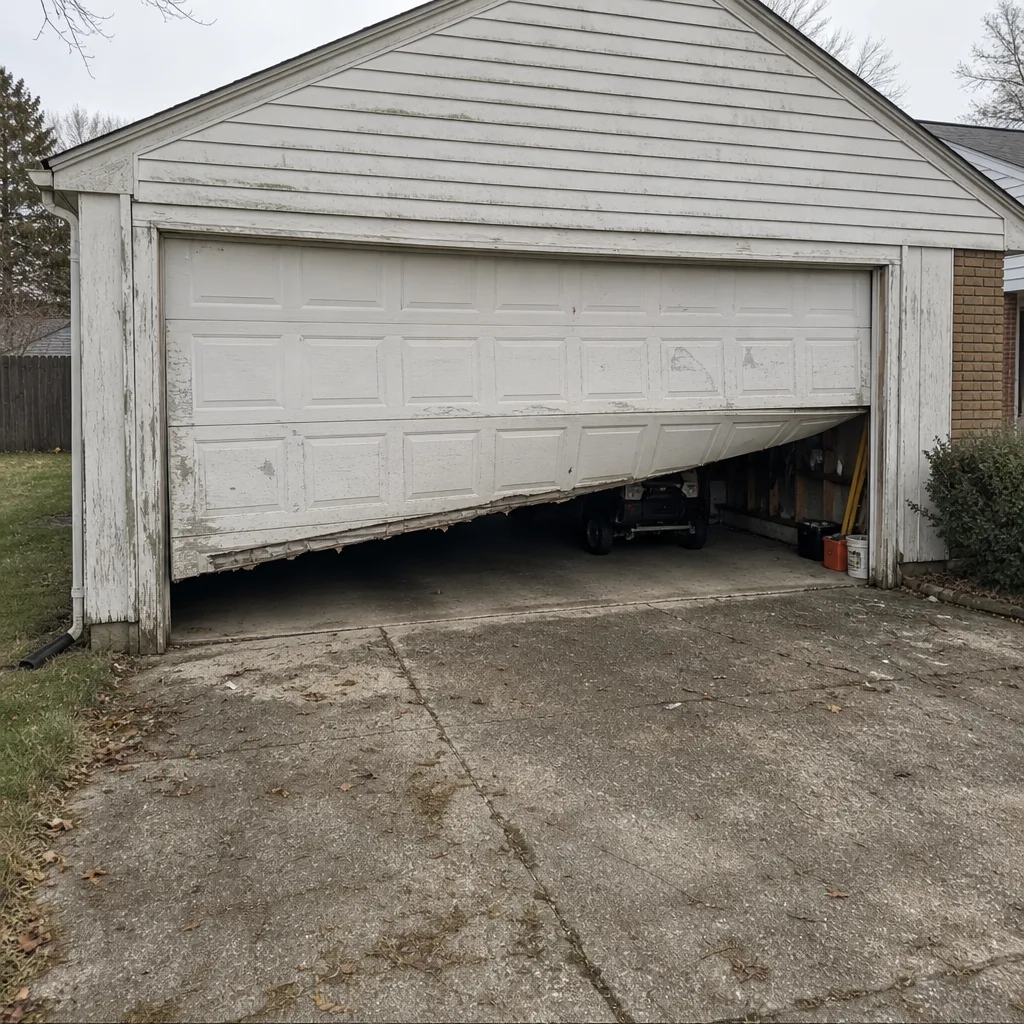
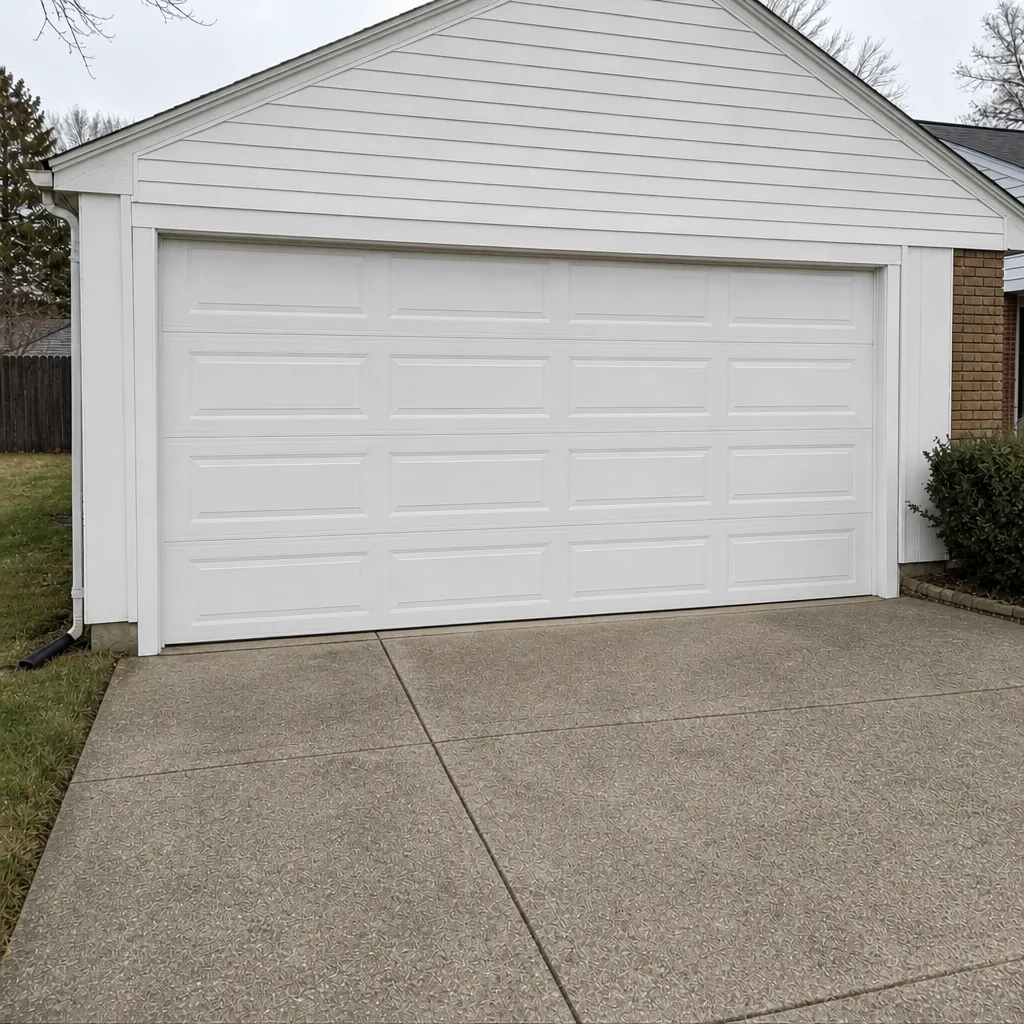
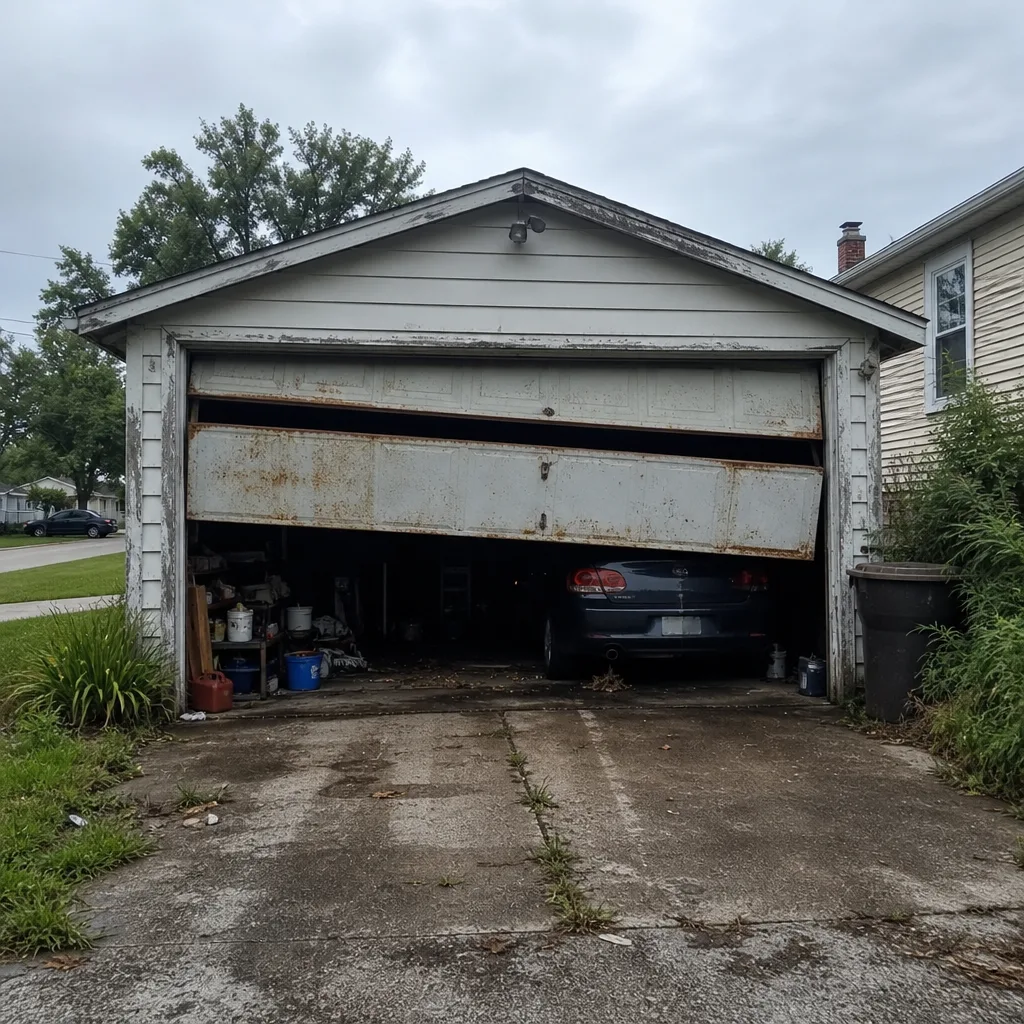
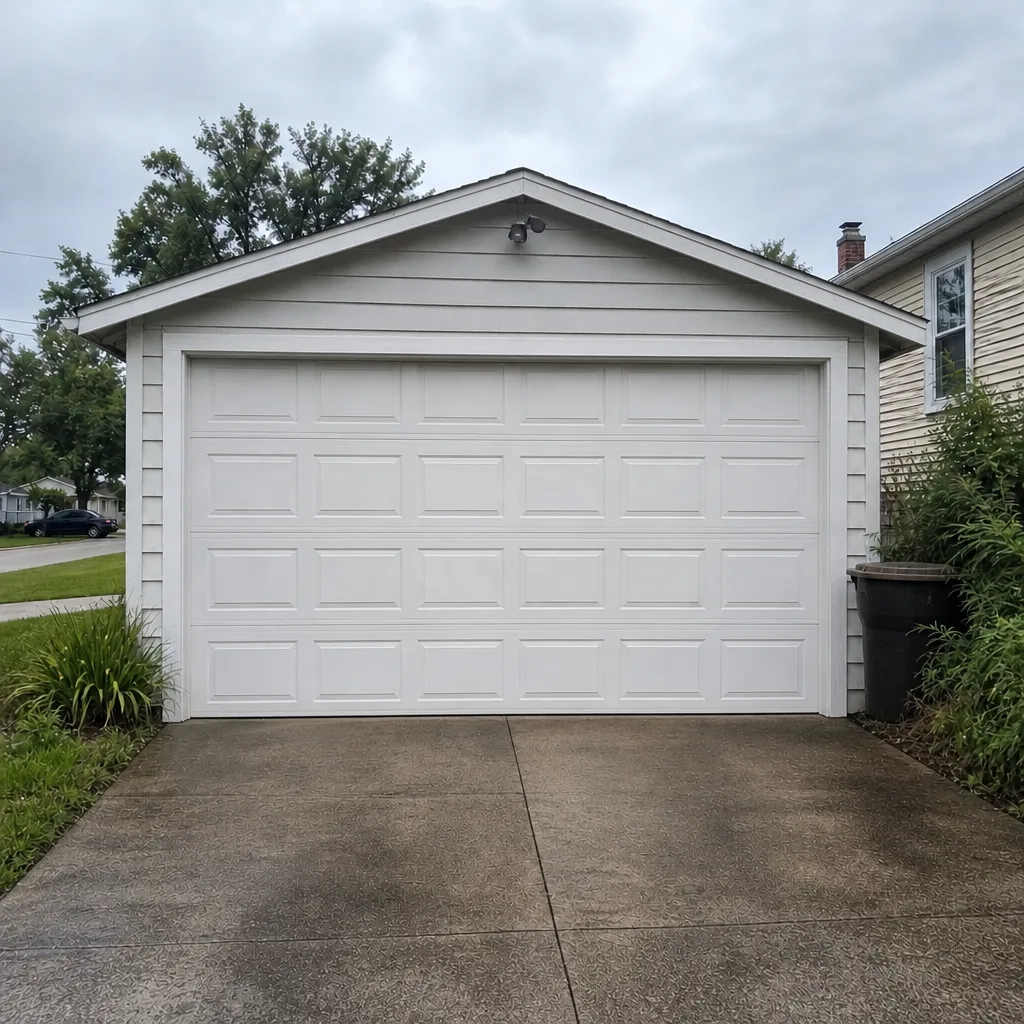
See the difference
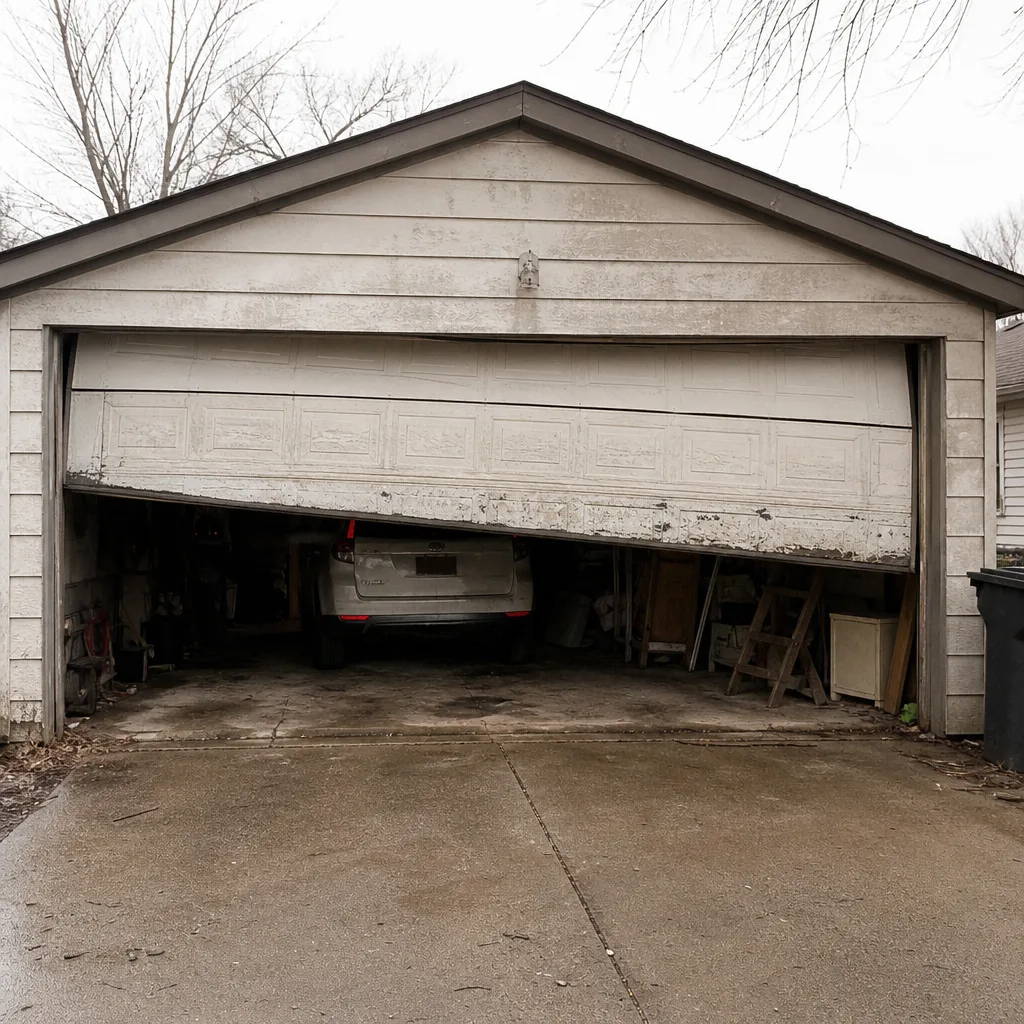 Before
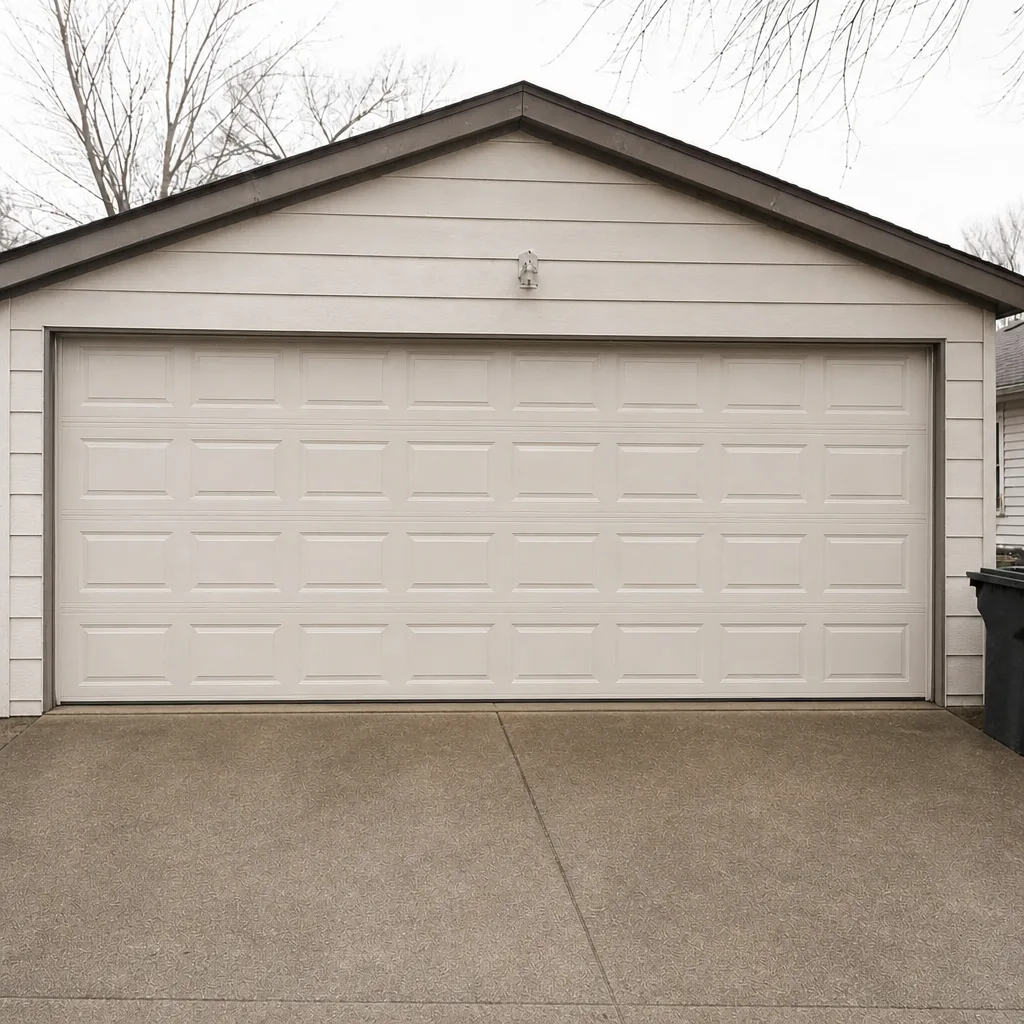 After
 Before
 After
 Before
 After
When to Call a Professional
Some failures cross the line from adjust-it-yourself to stop-and-call. Call a technician if the door is heavy or won’t stay up, if you hear a bang from the springs, if a cable is visibly slack or frayed, if the door hangs crooked, or if the door won’t close and sensor alignment doesn’t fix it. Also call if the opener runs but the door won’t move – that’s often the carriage, and it’s better diagnosed than guessed. A door that won’t close is a security problem, so don’t leave it unattended. We work on Chamberlain, Genie, Clopay, and Amarr systems regularly, and we handle springs, openers, cables, tracks, and full door installations under one company. Lorain Garage Door Repair Pros offers free estimates in Lorain – call (866) 937-7151. The local pro is licensed and insured as their state requires, and the price is quoted and agreed before any work starts. We answer 24/7, with fast dispatch from 7am to 7pm, Sunday through Friday.
Frequently Asked Questions
Typical Lorain-area garage door repairs range from simple sensor and adjustment fixes up to spring and opener work. A single spring replacement runs roughly $180 to $340, and a matched pair costs about twice that because both springs are replaced together. Those are estimates – your written quote sets the final price, and it’s agreed before any work starts. Call (866) 937-7151 for an exact quote; estimates are free.
Yes. A door that won’t close is a security issue, and we handle emergency garage door service, so call and describe the symptom. We answer 24/7, with fast dispatch from 7am to 7pm, Sunday through Friday. If you call outside dispatch hours, we’ll book you into the next opening. Call (866) 937-7151.
No – the price is quoted and agreed before any work starts. We diagnose by symptom and category first, then give you a written quote so there’s no surprise invoice. If the job turns out to need a different repair than expected, we walk you through it before doing anything. Call (866) 937-7151 for a free estimate.
No. Garage door springs hold enough tension to cause serious injury, and the winding procedure requires special tools and training. This is a safety job for a trained technician, not a DIY task. We handle torsion and extension springs for homeowners throughout Lorain. Call (866) 937-7151.
Reversing before it reaches the floor usually means the safety sensors are obstructed or misaligned, or the door’s travel limit is set short. Check for anything in the beam path and wipe the sensor lenses first. If the lights are steady and it still reverses, the door’s mechanical travel needs a look. Call (866) 937-7151 if it doesn’t resolve.
Reversing halfway down is different from reversing near the floor, and it usually points to a spring that’s lost tension, a binding track, or a force setting that’s too low. That’s a different failure category than a sensor fault, so don’t swap the fixes. Call (866) 937-7151 and we’ll diagnose which it is.
Yes. We work on Chamberlain, Genie, Clopay, and Amarr systems regularly, along with LiftMaster, Wayne Dalton, Craftsman, and Raynor. That familiarity means faster, more accurate diagnosis than a generalist who sees a given brand occasionally. Call (866) 937-7151.
Yes – the local pro is licensed and insured as their state requires. We connect you with vetted professionals who work on garage doors as a specialty, not as a sideline to another trade. Call (866) 937-7151 for a free estimate.
A correct spring repair leaves the door balanced – disconnect the opener, lift it halfway, and it should stay put. The door travels smoothly with no scraping, rises and falls evenly on both sides, and the safety reverse works when tested. If any of that fails, the repair isn’t finished. Call (866) 937-7151 if a recent repair doesn’t hold.
The Bottom Line
Most garage door problems aren’t mysterious once you sort the symptom into one of five categories: spring, track and roller, opener logic, cable, or sensor. A heavy door that won’t stay up is a spring issue and a technician’s job. A door that binds is usually a track or roller, and Lorain’s freeze-thaw cycle is often the reason. A door that reverses and won’t close is usually a sensor you can align yourself. A motor that runs without moving the door is more often a trolley carriage than a dead opener. The whole skill is matching the symptom to the right category before you spend a dime on parts. If you’re unsure which one you’re in, Lorain Garage Door Repair Pros diagnoses by symptom and brand, handles springs and cables as the safety jobs they are, and quotes the price in writing before any work begins. Call (866) 937-7151 for a free estimate. We answer 24/7, with fast dispatch from 7am to 7pm, Sunday through Friday.
Written by the team at Lorain Garage Door Repair Pros.